Boredom & Default Mode Network


I've been bored for years.
Seriously, I'm not exaggerating or using a hyperbole (a figure of speech that involves exaggerating a concept to emphasize it, making it more vivid or dramatic). I've truly been bored to death for years.
“Fair warning: the following article will be, for the most part, politically incorrect, and if you somehow feel offended by my ideologies and way of thinking, well, that's your problem.”

I always found school boring—the teachers dull, gray, lifeless, and uninspiring. People who talk about life, read about it, memorize it, and regurgitate it, but don’t actually live it.
I never understood how one was supposed to spend entire mornings sitting still, listening to someone drill useless ideas and concepts into your head, or how anyone could think that young minds could grow and evolve under the arrogance of those who don’t care about the mental expansion of the next generation but are only interested in their ability to absorb and repeat data, numbers, and formulas. No real interest in developing critical thinking or reflection. In short, I’ve always seen school as a waste of time.
In high school, because of my nonconformist streak and refusal to fit into any group, I was often marginalized, which only deepened my complete lack of interest in the school experience. On the one hand, my classmates ridiculed me, and on the other, the teachers seemed like dinosaurs disconnected from the real world, spending their lives with their noses buried in books.
I studied at the University of Florence, called Unifi.
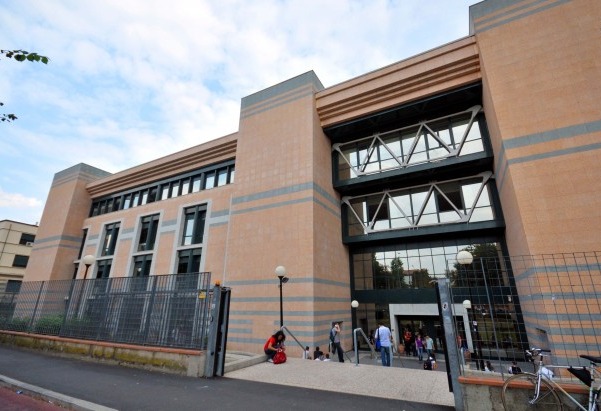
An awful building—tell me it doesn’t look like a prison.
You think of Florence, the Renaissance, Brunelleschi, Michelangelo, Leonardo da Vinci, and then you end up studying on the outskirts of the city in a bunker-like, gray, sterile building with classrooms lit by depressing neon lights and professors with potbellies and no vitality. Just state employees who care only about getting through the day, regurgitating and spewing out concepts they’ve long since memorized, and evaluating students based on how many of those concepts they can also memorize.
In short, the point is that I was bored for years. I remember spending entire hours staring out the window while the dinosaurs droned on and on.
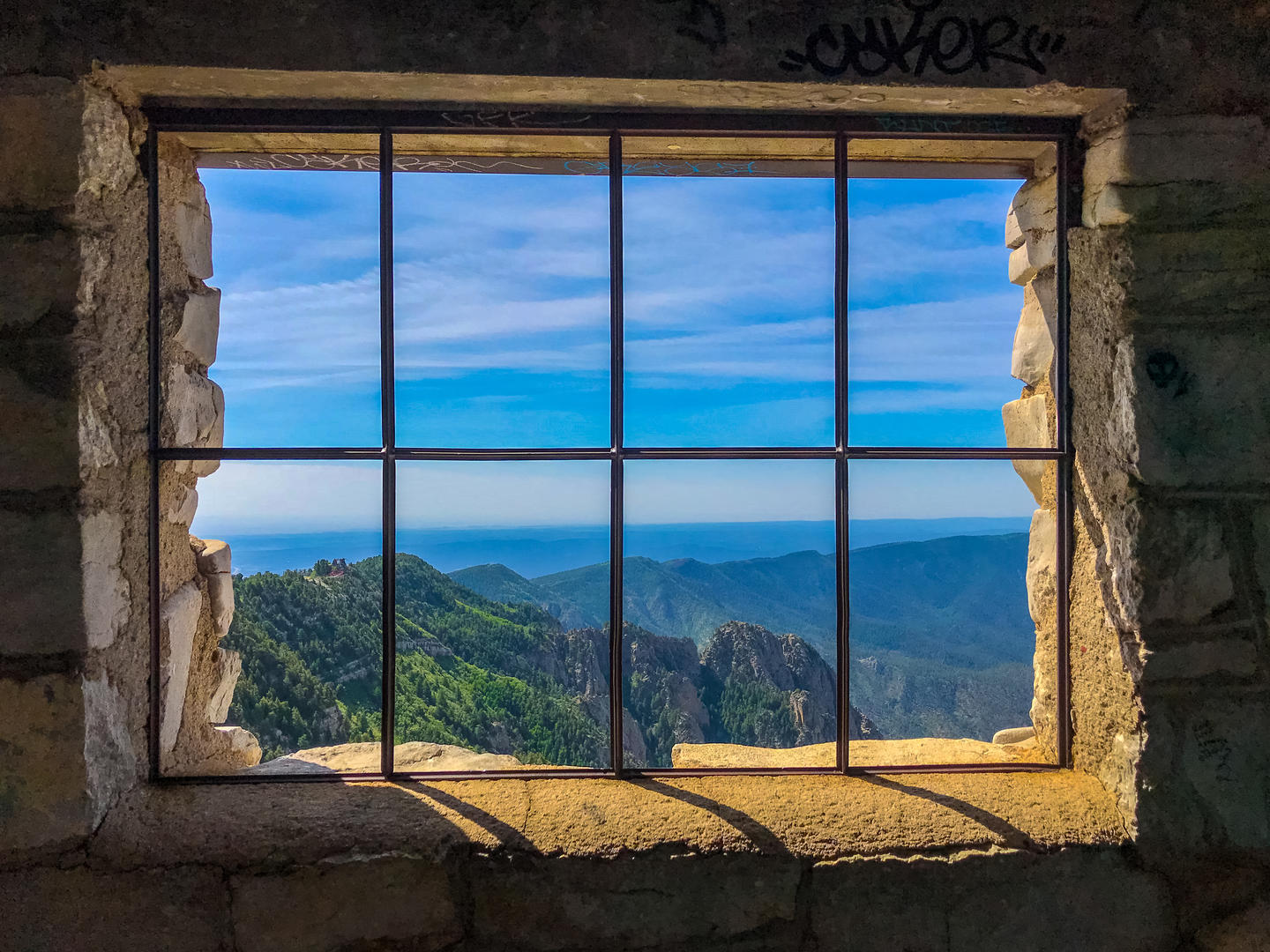
I used to daydream, letting my imagination run wild. I pictured places in the world I’d never visited, experiences I’d never had, cultures, languages, and stories I’d never touched. I would soar far away—far from the bunker, the dusty books, the neon lights, the desks, the classrooms, and the gray, lifeless faces.
I stored up so much potential energy that when the time came to release it, there was no turning back. All those places I had dreamed of, the faces and languages, the experiences I had imagined in my mind—I started living them instead of just reading about them in books like my dear professors had always done.
“The Default Mode Network (DMN) is a part of the brain that switches on when you’re not actively focusing on something—like when you’re daydreaming, reflecting, or letting your mind wander. It’s the system that helps you think about yourself, remember the past, imagine the future, and process emotions. The DMN fades into the background when you're deeply engaged in a task but remains active, helping you connect the dots, generate creative ideas, and make sense of your thoughts and feelings.”
When I lived in Australia, my first job was as a dishwasher in a restaurant. I spent entire days scrubbing pots, scraping plates and trays, cleaning fryers, and scrubbing walk-in fridges. A lousy job, really. For hours on end, I’d let my mind completely detach and wander elsewhere. I built scenarios and situations, planned and strategized my next moves, and created entire worlds in my head.

I didn’t realize it at the time, but “boredom” has always been my ally. Moments of deep discouragement, in hindsight, turned out to be incredibly beneficial for achieving many of my goals—and nurturing dreams I had harbored for years.
Contrary to the negative perception of boredom, allowing the mind to wander without external stimulation creates room for the Default Mode Network (DMN) to operate. This enhances problem-solving, generates novel ideas, and connects seemingly unrelated concepts in innovative ways. Moreover, these mental pauses help consolidate memories and process emotions, giving the brain a chance to recharge and prepare for focused tasks. Embracing periods of inactivity can unlock creative potential, strengthen mental resilience, and foster deeper self-awareness.
Looking back, those stretches of “nothingness” weren’t empty at all—they were the fertile ground where ideas took root, plans formed, and dreams began to grow.

In today’s world, we’ve nearly eliminated space for boredom and daydreaming. Every moment that could allow for such stillness is filled with apps of every kind, mobile games, and podcasts. We no longer permit ourselves to simply be bored—in fact, boredom is pushed far away, out of sight and out of mind.
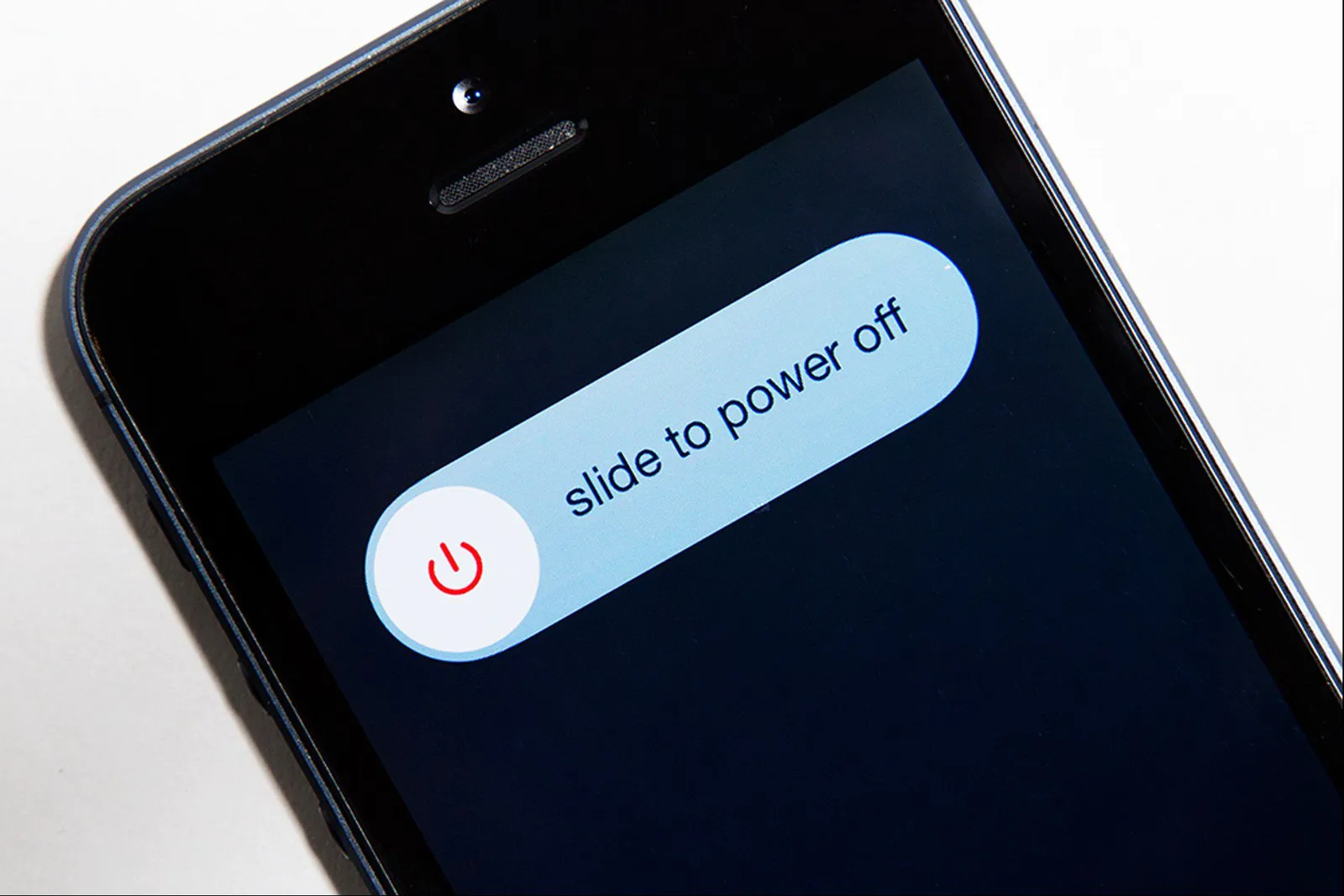
At the same time, in our social media-driven society, your awareness has become the product, and advertisers pay handsomely to capture it. Entire tech companies are designed around the philosophy of keeping your attention engaged. In this relentless attention economy, one of the most rebellious acts you can undertake is to turn off your screen, embrace the quiet, and allow yourself to be bored on purpose.
Be bored!
A hug.
M