
Children & Kings
I'm not an expert on religion or the Bible. In fact, it's only recently that I've approached it, in a completely secular way.
Like a curious storyteller interested in the tales, the vicissitudes, and the character who is perhaps the most famous, spoken of, revered, and iconic of the last 2,000 years—Jesus—and the human and archetypal dynamics that are, in the end, metaphors with which we can all identify and learn timeless, universal lessons that are part of the human experience.
One of the stories in the Bible that struck me the most is Peter's denial of Jesus.
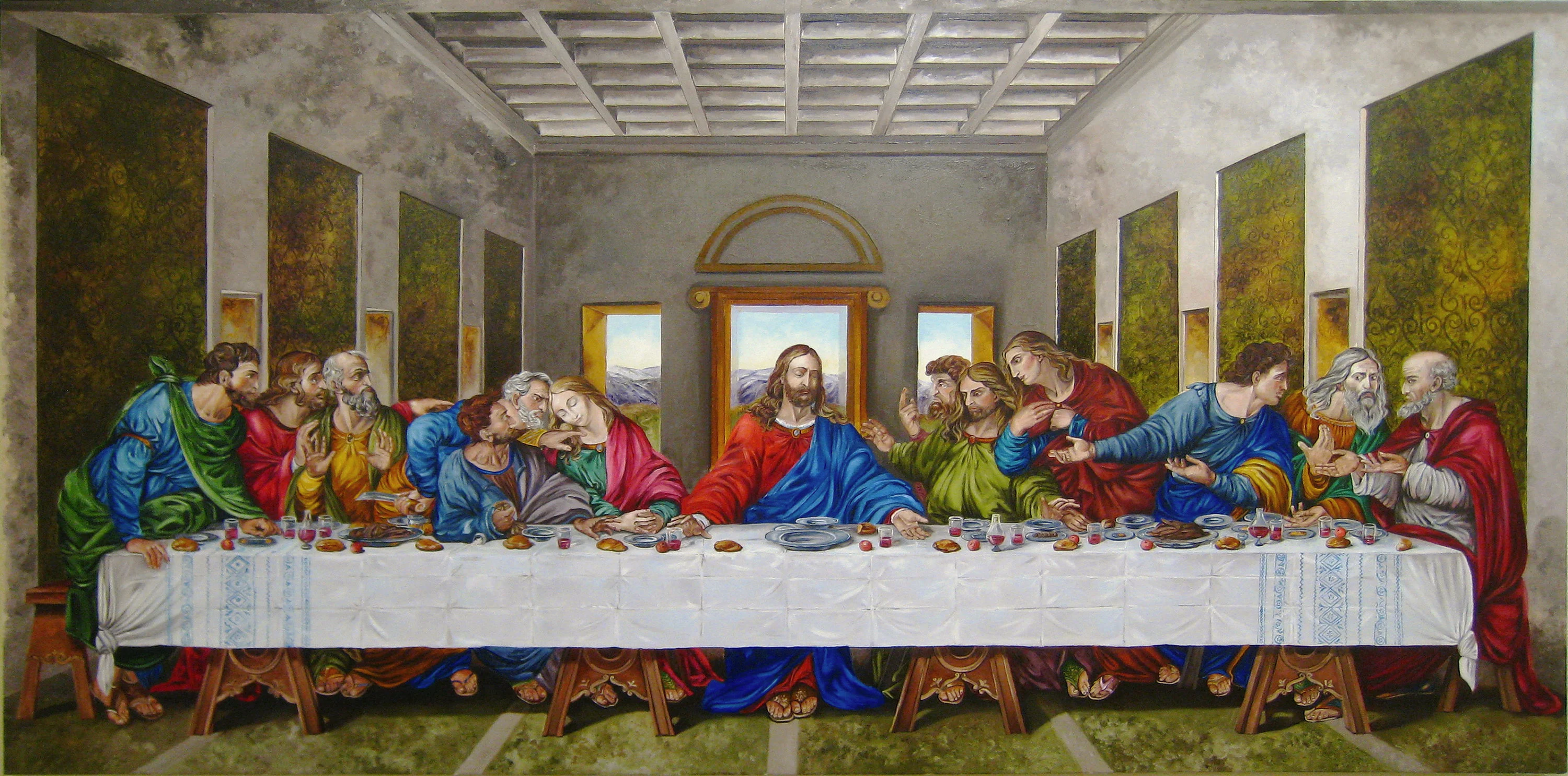
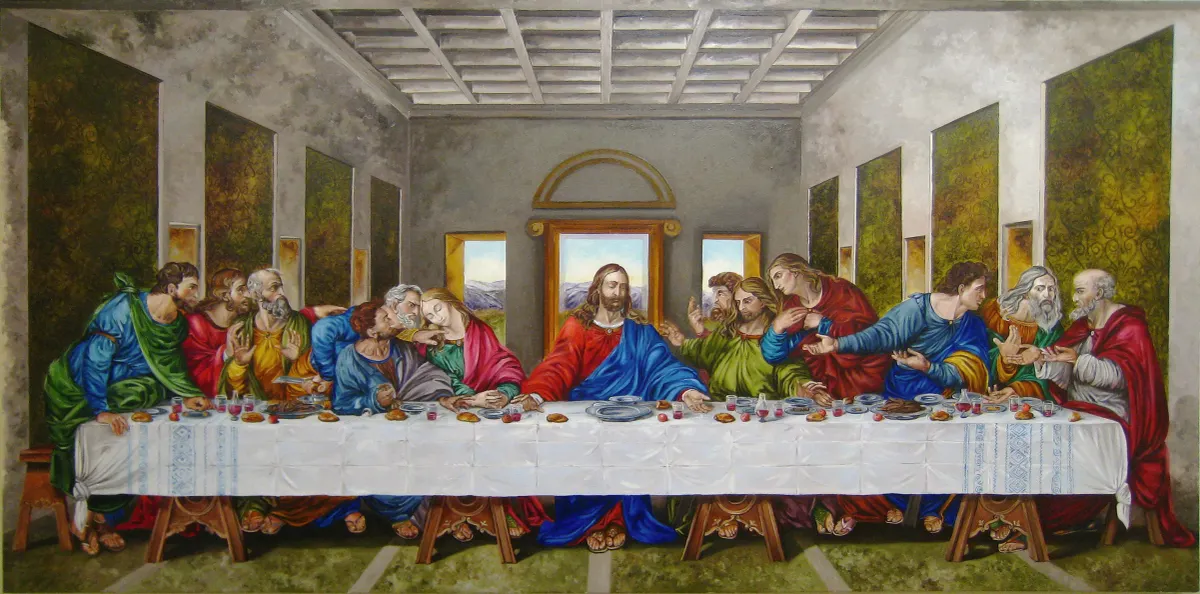
During the Last Supper, when Jesus gathers all his disciples knowing that soon he will be arrested, he tells them, "God will strike, and the sheep will be scattered," and that their faith in him will be tested.
Peter in particular, one of Jesus' closest disciples, one of his chosen, best friends, tells him that he will never betray him, that he will always be by his side, and that his devotion to him is total.
But Jesus, already knowing what will happen, tells him, "Tomorrow, before dawn, before the rooster crows for the second time, you will deny me three times," and Peter responds, "NO! Even if I have to die, I will never betray you. I am ready to die for you."
After dinner, Jesus and his closest friends—Peter, John, and James—go for a walk, and Jesus steps aside to pray.
Shortly after, another of his disciples, Judas, appears, accompanied by a group of people who did not believe Jesus was the Son of God and wanted to punish him for his preaching.
Jesus knows what is about to happen, and he confides to his friends that his time has come and that "now my betrayer arrives."
"The man I am going to kiss is the one you are looking for; arrest him," Judas says to the men with him.
"Do what you came for, my friend," Jesus says to Judas, impassive and fearless.
Judas kisses Jesus.
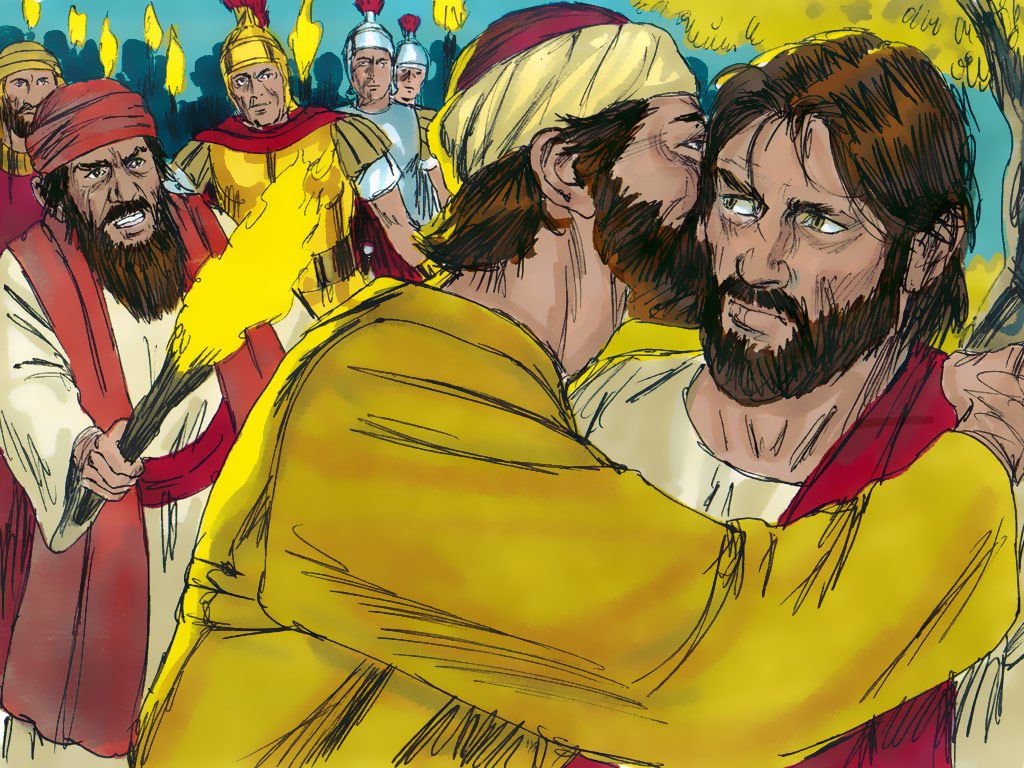
He is then arrested and put on trial, asked about his preachings and the message he is spreading, and why he is going around saying he is the Son of God.
In the meantime, a crowd has gathered around a large outdoor fire where Jesus' trial is taking place.
Among them appears Peter, who has followed everything from a distance.
A woman in the crowd looks at him and, pointing at him, says, "He is a friend of Jesus; they know each other."
"I don't know him," Peter replies.
"Yes, they were together, I saw them too," says another woman, backing up the first.
"I don't know what you're talking about," Peter replies.
"You are definitely one of them, for you are a Galilean," says another person, in an aggressive tone.
"I'm not a liar; I don't know this person you're talking about," Peter replies.
As soon as these words are spoken, a rooster, perched on the tallest building in the village, crows once. Silence. Then a second time.
At that moment, Peter remembers Jesus' prophecy from a few hours earlier, in which he said he would deny him three times before the rooster crowed twice.
Peter begins to cry, shedding tears of pain; he has betrayed his best friend.
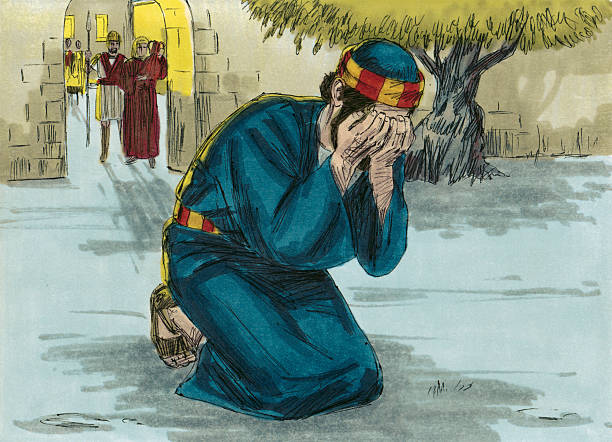
The rest, we know how it ends.
Why did this story impact me so much?
Because, ultimately, it speaks about us human beings.
We want to be great, we aspire to noble and immortal things, to "leave a mark," but then we realize our limitations, our fears come out in moments of difficulty, when we are called to show character, personality, we are small and afraid.
Put in archetypal terms, we are in the archetype of the child.
And it is this, ultimately, that we like and are drawn to, that fascinates and moves us about people who have complete conviction in their abilities, in their role in the world, in their mission. Those who take risks, often risking everything (like their life, in this case) but cannot afford to go back on their word, to deny themselves, to tarnish their message. Because they embody the archetype of the hero, who, despite difficulties, imperfections, and falls, never stops being who he is, even at the cost of being alone, ridiculed, tried, or killed.
In one word, Integrity.
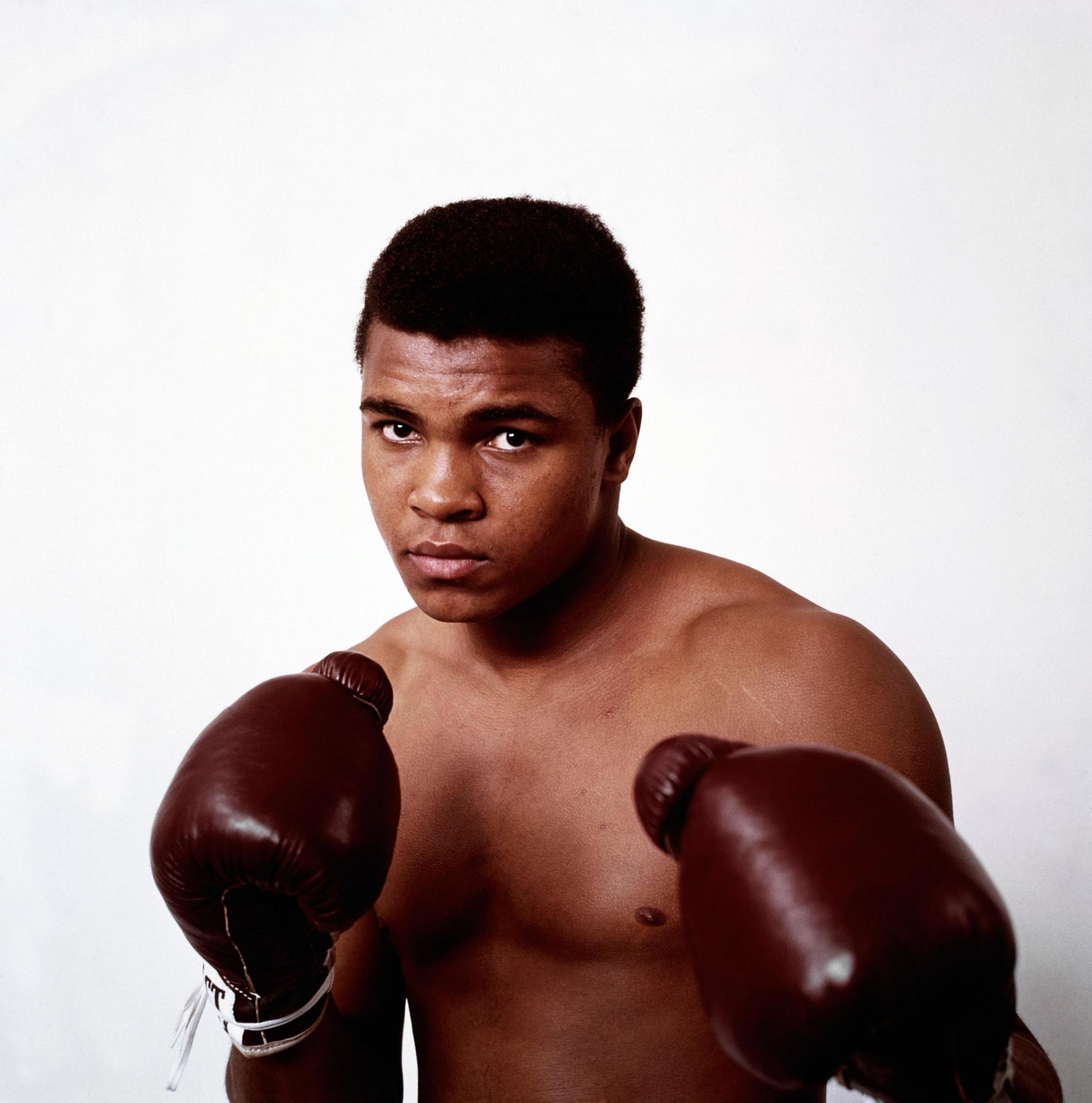
I think of Muhammad Ali, today revered and glorified, but how many criticized and insulted him at the time for his decision not to take part in a senseless war like Vietnam? Where an African American, discriminated against in his own country, without rights and voice, was forced by his government to go to the other side of the world to fight a war and kill people he didn't even know, who had done absolutely nothing to him?
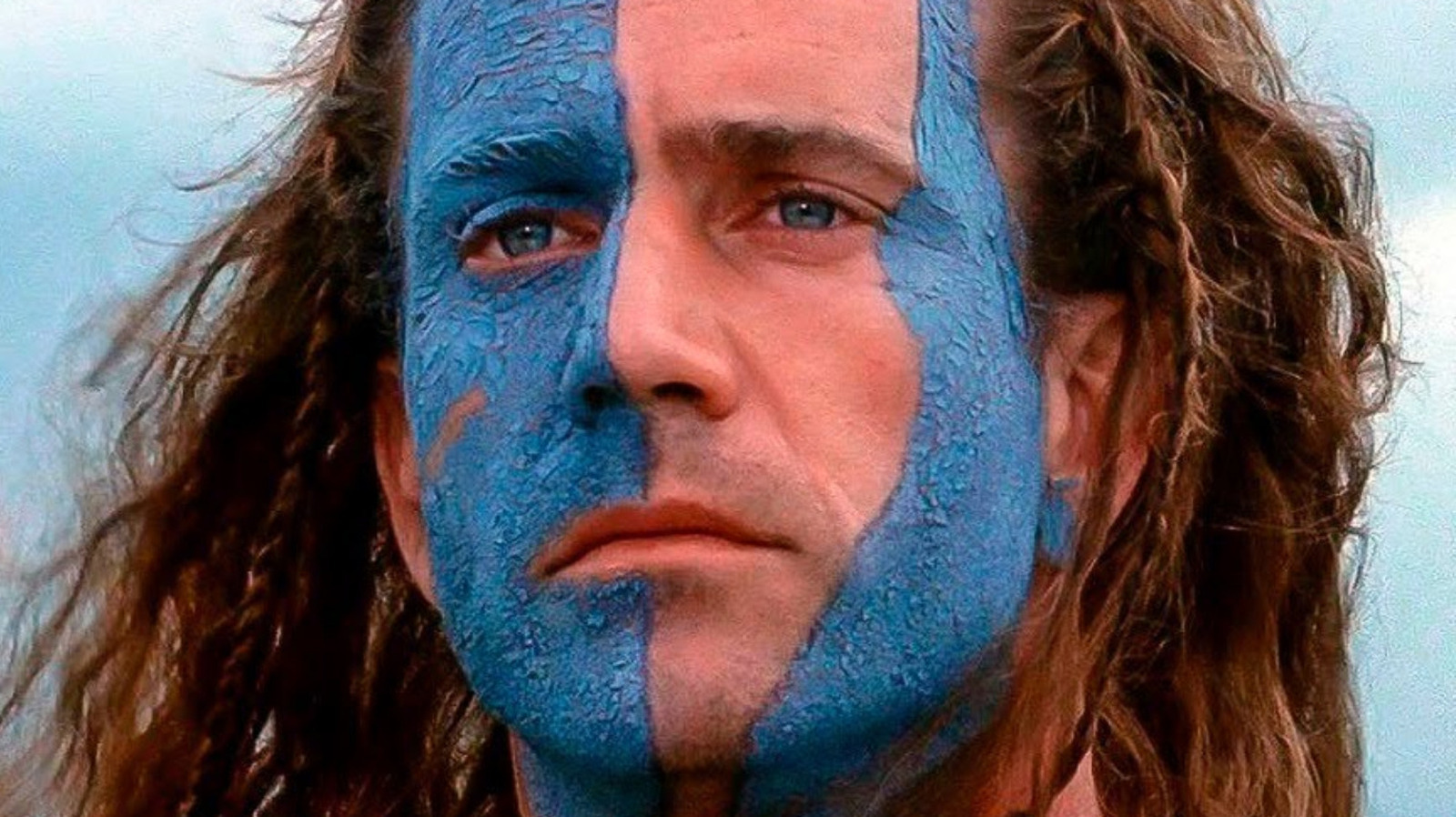
I think of William Wallace, from the film Braveheart, his integrity lay in his willingness to sacrifice everything, including his life, for the freedom of his people, making him a powerful symbol of resistance and national pride in Scotland.
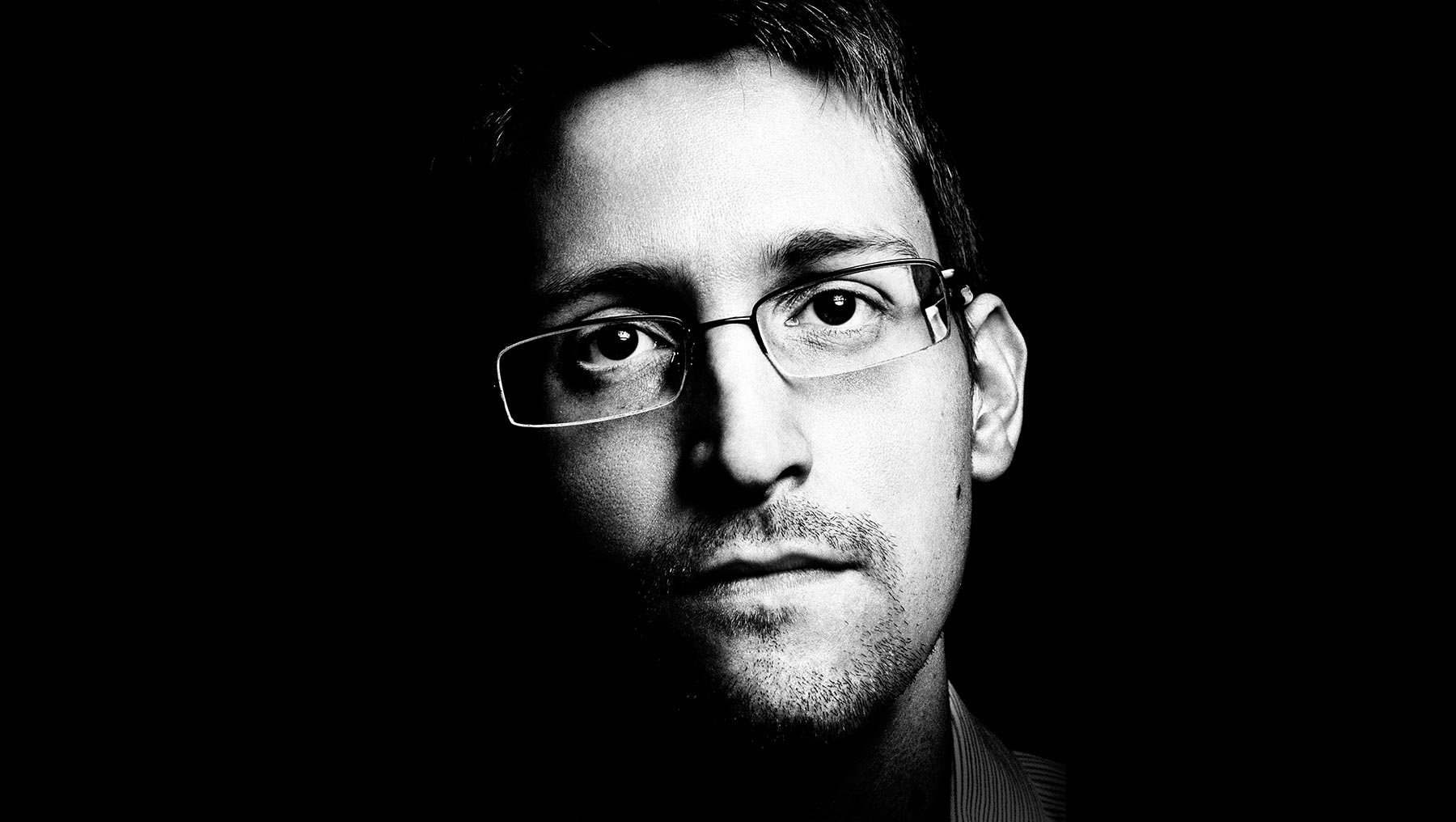
I think of Edward Snowden, a former NSA contractor, who displayed integrity by risking his career and freedom to expose mass government surveillance programs he believed infringed on citizens' rights. His actions sparked global debates about privacy and government transparency.
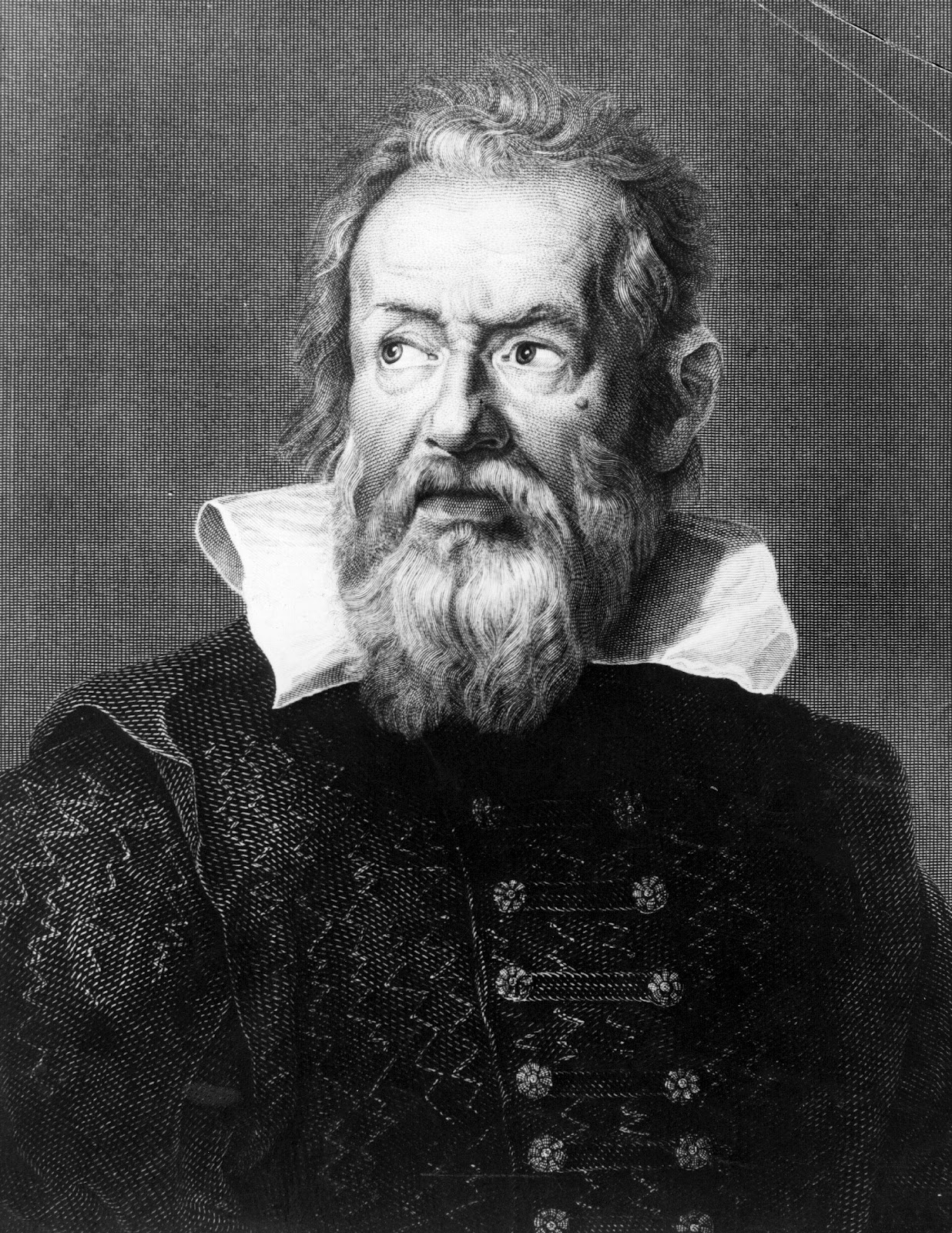
I think of Galileo Galilei, the astronomer who demonstrated integrity by advocating for the heliocentric model of the solar system, even when it brought him into conflict with the Catholic Church. Galileo stood by his scientific discoveries despite facing persecution, ultimately advancing human knowledge at great personal cost.
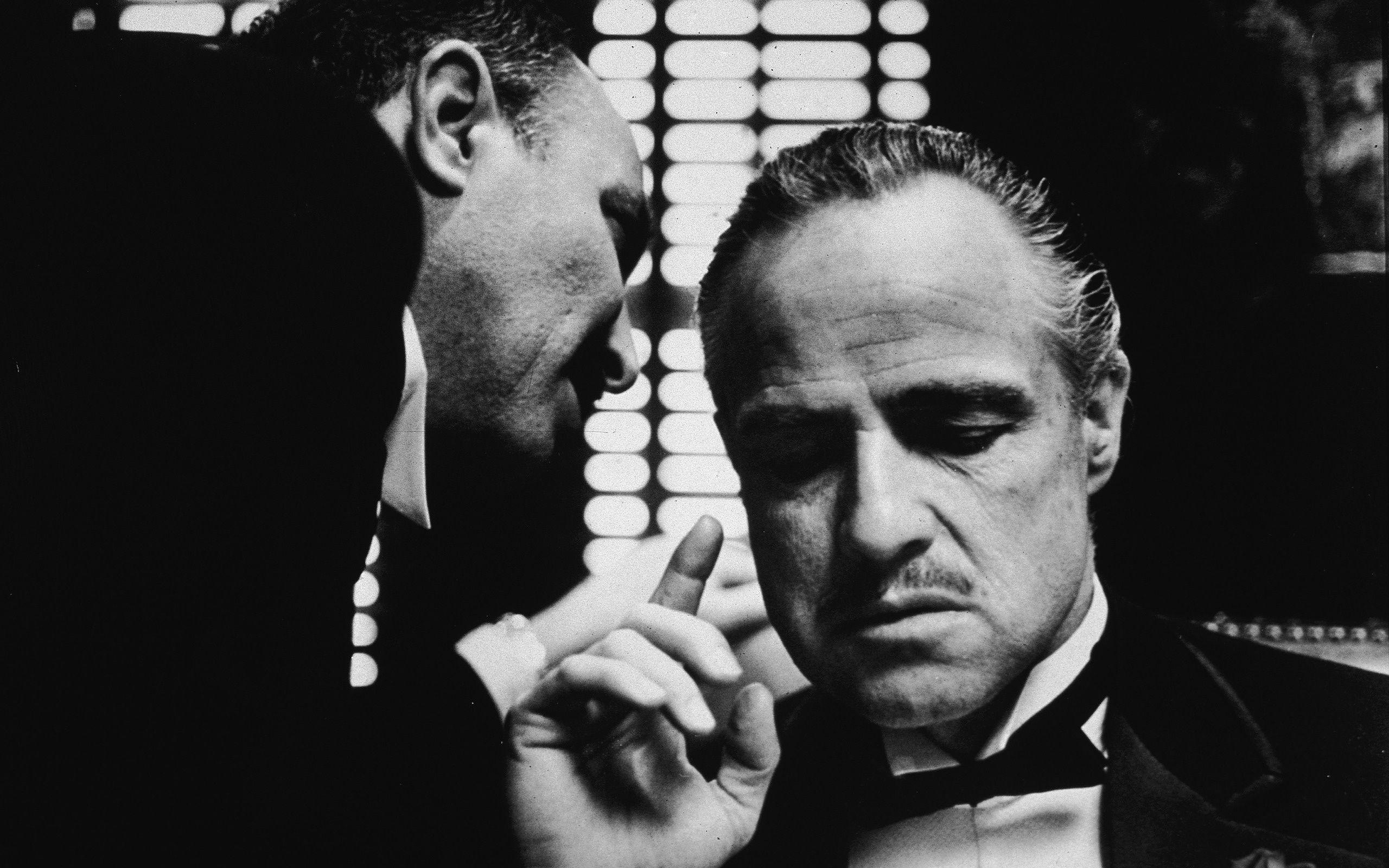
I think of Don Vito Corleone, in the movie The Godfather, his unwavering commitment to family and a personal moral code that guides his actions in the world of organized crime. He prioritizes respect, justice, and honor, protecting those who cannot defend themselves while avoiding actions he deems dishonorable.
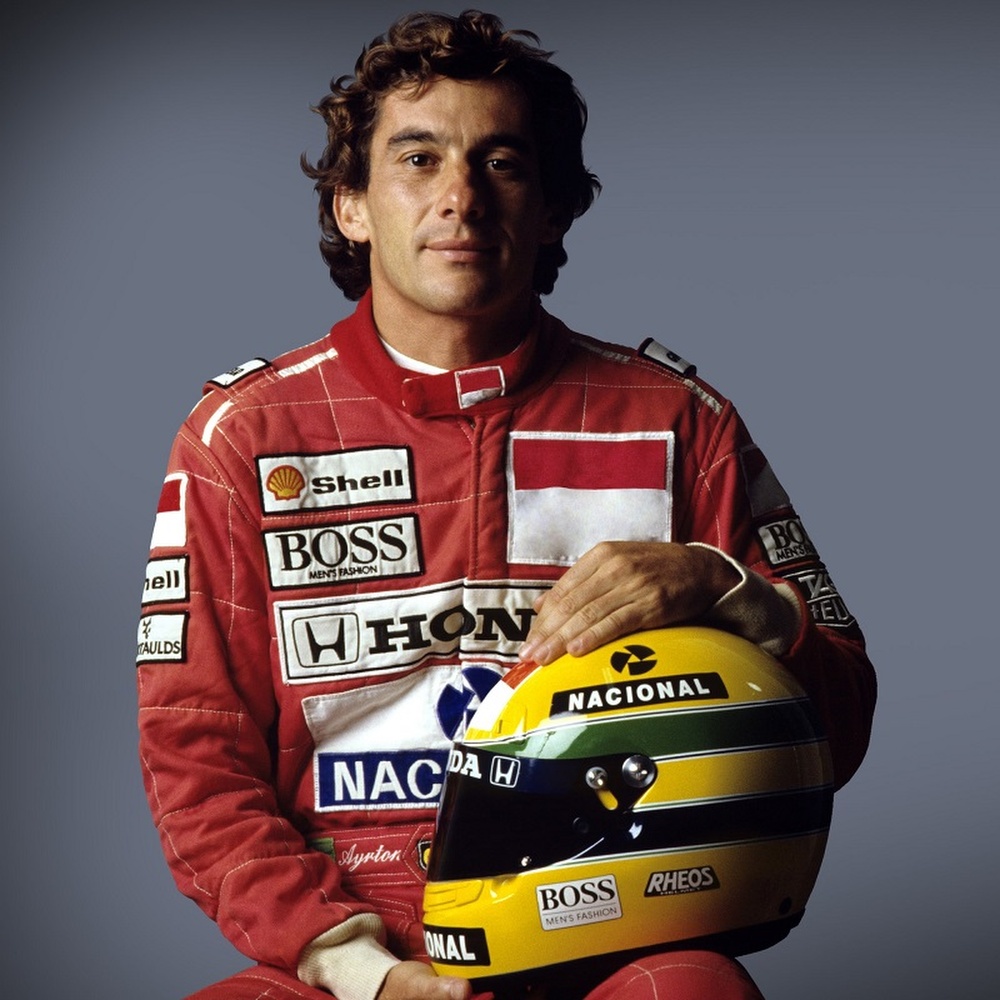
I think of Ayrton Senna, his unwavering commitment to excellence, his advocacy for fair competition, and his dedication to improving driver safety in Formula 1. He consistently pushed himself to perform at his best while standing up against injustices in the sport, especially concerning safety regulations. Off the track, Senna was known for his humility and generosity, quietly donating significant portions of his earnings to support underprivileged children in Brazil. His values, dedication, and compassion.
How many times have I found myself having to face myself, my beliefs, what I believe in, versus what is accepted outside, by the masses, the society we live in.
How many times have I lacked the courage to say, 'I don't agree, I don't believe in this,' how many times have I not wanted to risk speaking up for fear of being ridiculed by my peers?
How many times have I been Peter.
Many.
But isn't this Jesus's role in our lives?
To confront us with ourselves, to weigh our character, our vulnerabilities, our courage, our hearts, and see where we stand?
A person who forgives his executioners, who, despite knowing his friends will betray him, doesn't flinch, and faces his destiny with head held high and an open heart.
With integrity.
Doesn't it also tell us that we too have the potential to be like that?
If we face our fears and shadows?
If we follow our heart and listen to our inner voice, regardless of everything else, can't we also ignite that light that shines within our hearts?
To become kings and no longer children?"

A hug.
M