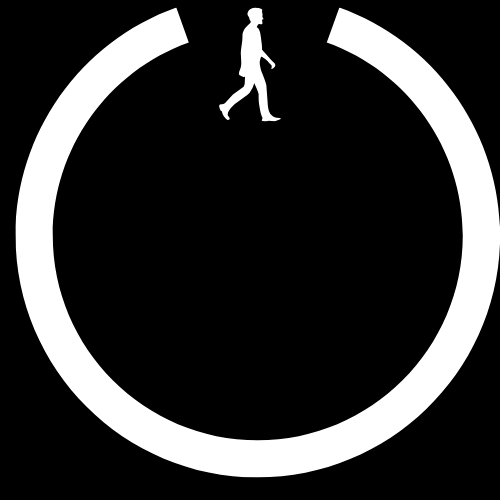
Hero's Journey #10
Atonement with the Father

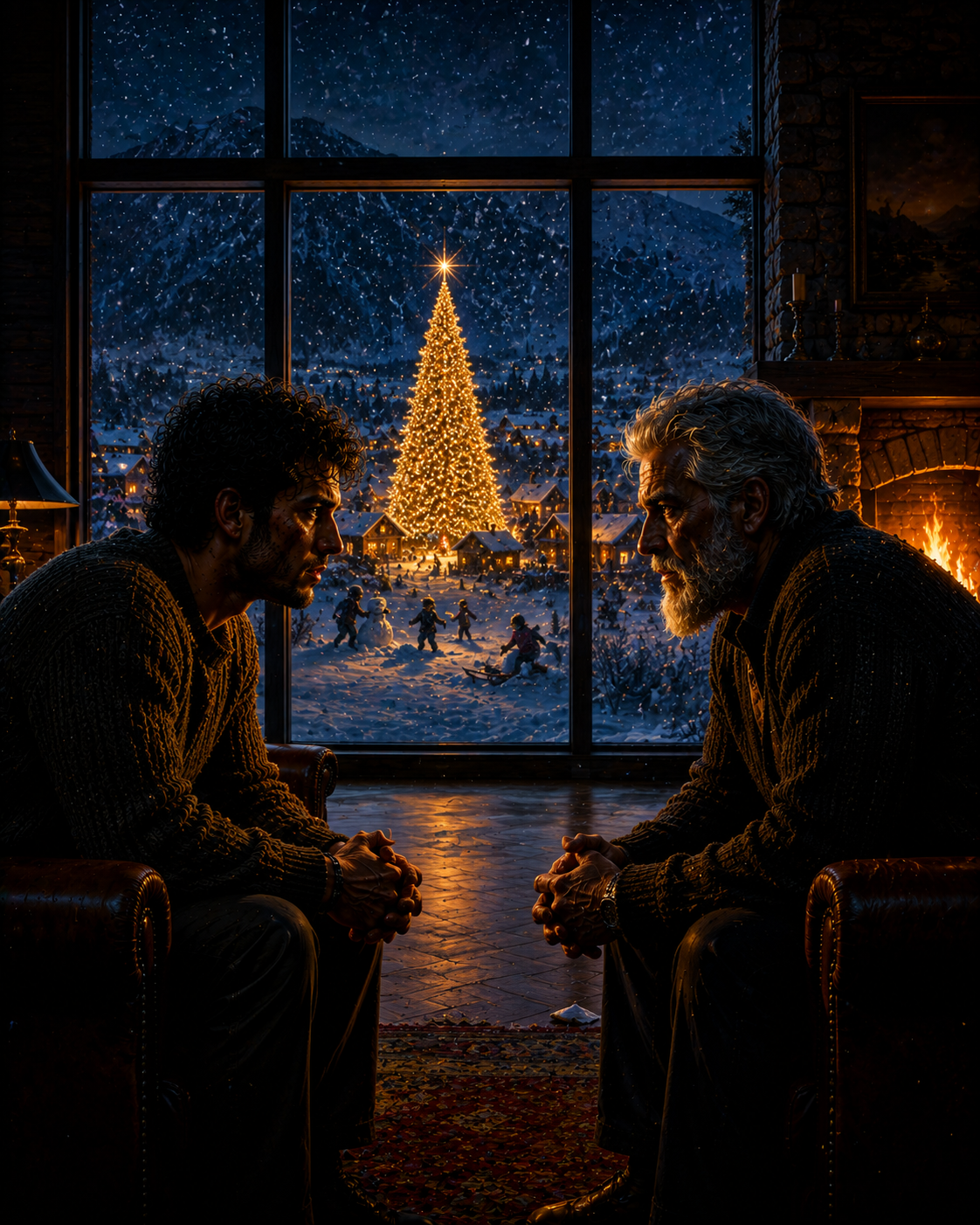
The Atonement with the Father is one of the most pivotal and psychologically intense stages of the Hero’s Journey. It represents a deep reckoning between the hero and the ultimate authority figure in their life—often symbolized as the father or a father figure who has life-and-death power. However, it could also be a mentor, a ruler, a god, or even an internalized belief system that has controlled them.
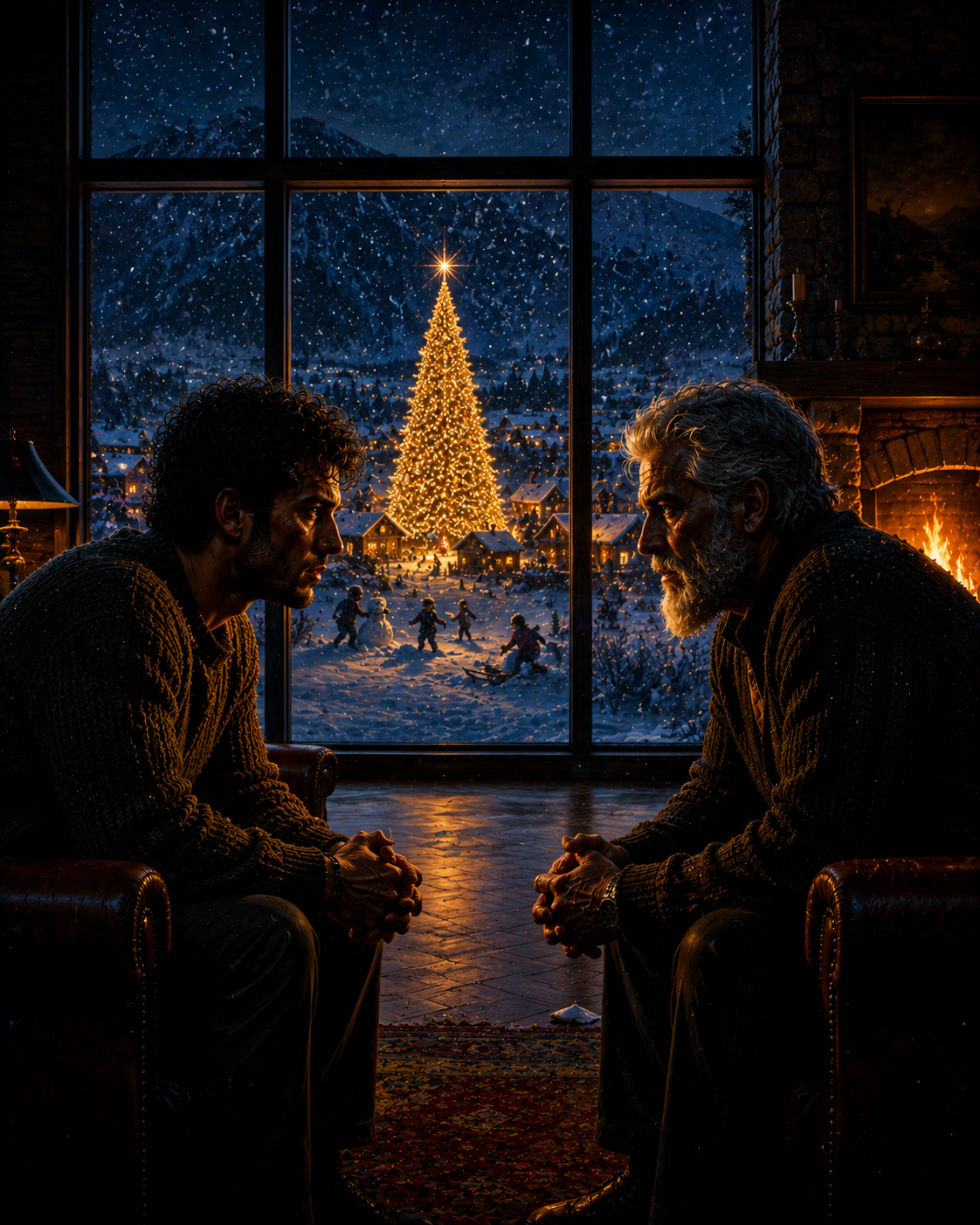
This stage is about confronting the force that has shaped them, whether through dominance, absence, or expectation.
We are at the central point of the journey. Everything that has happened before was leading to this moment, and everything that happens afterward will be a consequence of what happens now.
This can be one of the most difficult and painful stages, especially for those who carry deep wounds related to authority figures. But once it is faced, the hero emerges truly transformed, stepping into the final stages of their journey with newfound wisdom and strength.
The hero’s greatest challenge is not an external force but an internal construct—a self-generated monster made up of two psychological elements:
- The dragon thought to be God (superego): This represents the rigid moral authority or expectation imposed by society, parents, or religious doctrine. It is the voice that says, “You must do this to be worthy.”
- The dragon thought to be Sin (repressed id): This represents all the desires, instincts, and emotions that have been labeled as “wrong” or “forbidden.” It is the part of the psyche that has been pushed into the unconscious but still influences behavior.
The hero must trust that beyond these dual illusions (superego and id), there is something greater—whether that be divine grace, inner wisdom, or a higher self.
- If the father (authority figure) is truly merciful, then there was never any reason to fear.
- If the father is merciless, then perhaps he was never a true god, and his power is an illusion.
This stage is about realizing that the greatest obstacle was never an external force but the inner limitations imposed by fear, guilt, and conditioned identity.
True atonement comes not through defeating the father but through transcending the need for his approval or punishment.
We have been taught that there is Light and there is Darkness, there is Good and there is Evil, and that we must choose a side.
That is how armies build their identities; that is how fear of enemies is instilled in people; that is how wars, even religious ones, are justified.
Good and Evil are just two sides of the same coin, two aspects that coexist within the same WHOLE and that appear separate only under the illusion of "not knowing."
On a personal level, this stage is about breaking free from external expectations—whether from parents, society, or an internal voice that dictates what you should be. It’s the moment you realize you no longer need permission to be who you truly are.
See you in the next one!
M