Hero's Journey #3
Refusal of the Call

When the Call Arrives, the Hero Instinctively Refuses It
When the Call to Adventure arrives—when the messenger appears, when the sign is clear—our hero, by instinct, refuses it.
The unknown is intimidating. As my friend Cam said in our interview:
People prefer a known hell to an unknown heaven.
( check full interview here : Cam Interview )
But what does that mean?
It means that we, as human beings, have a tendency to cling to familiar suffering rather than risk the uncertainty of something that could be better.
Even Shakespeare’s Hamlet reflects this dilemma in his famous soliloquy:
"Thus conscience does make cowards of us all...
And makes us rather bear those ills we have
Than fly to others that we know not of?”
Or the well-known saying:
"Better the devil you know than the devil you don’t."
A striking example is found in The Shawshank Redemption. Brooks, an old prisoner, is released after decades behind bars, but he cannot adjust to freedom. Prison, his known hell, feels safer than the outside world. Unable to cope with the unknown, he tragically takes his own life.
The Fear of Change in Pop Culture
The Dark Knight (2008) – The Joker’s Philosophy
The Joker tells Harvey Dent: “You know what I've noticed? Nobody panics when things go according to plan. Even if the plan is horrifying.”
Requiem for a Dream (2000)
The characters spiral into addiction because changing their destructive habits feels scarier than enduring their current suffering.
Or think about those who stay in toxic relationships because, despite the pain, they prefer it to the uncertainty of what’s out there.
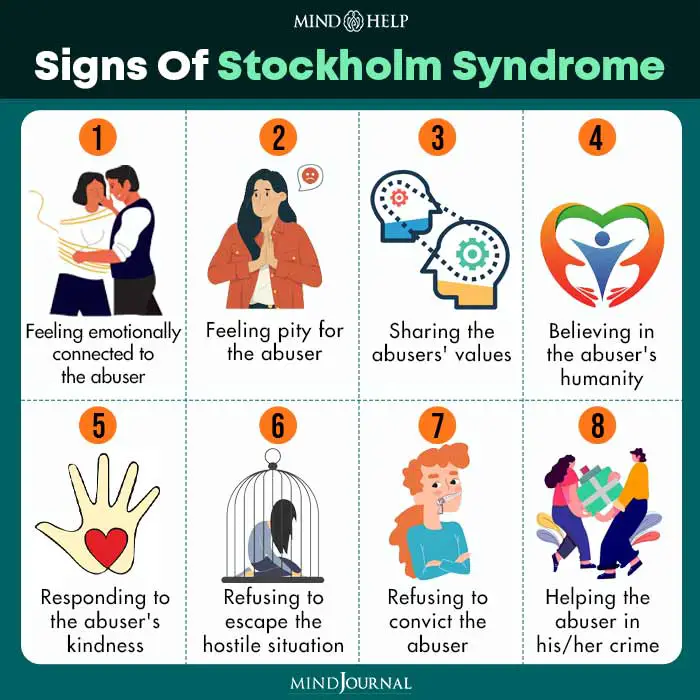
And then there's Stockholm Syndrome—a psychological phenomenon where hostages or abuse victims develop emotional bonds with their captors or abusers. Even when given the chance to leave, they refuse.
How many people do you know who hate their jobs but refuse to quit?
The Corporate World vs. Entrepreneurship
The corporate world is a familiar, predictable discomfort, while entrepreneurship represents an exciting but terrifying unknown.
"What if it doesn’t work out?"
These are the same fears our hero faces. To protect our ego, we build defenses, avoiding responsibility for our circumstances. But over time, the walls we construct to keep painful reminders out become the prison that keeps us trapped.
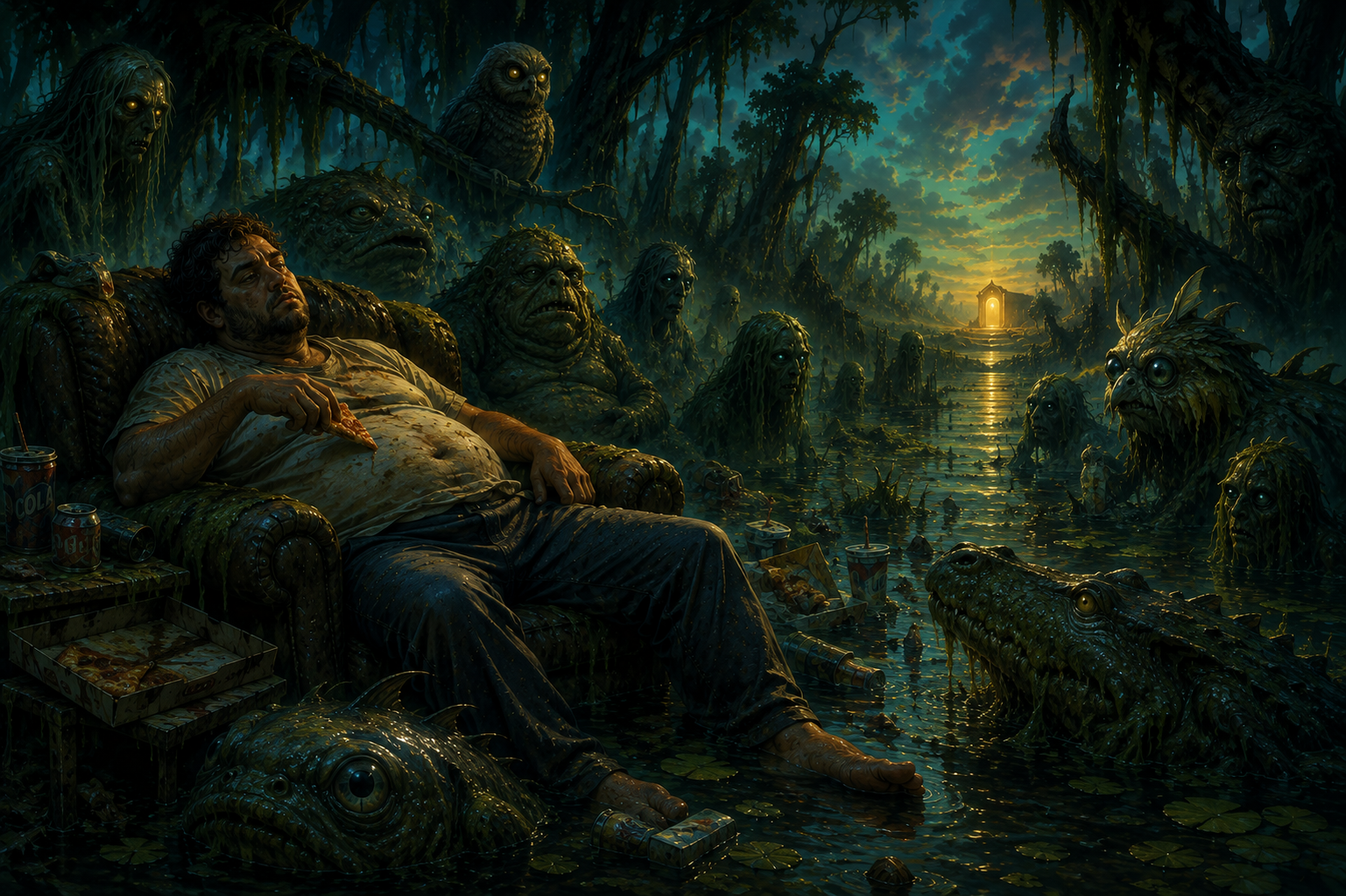
If we ignore this second Call to Adventure, we risk slipping irreversibly into the Call Refused—a world of bitterness, frustration, anger, regret, and isolation. Without guidance or support, this path can lead to self-destruction—either physically or psychologically…
See you on the next!