It’s Not Yours to Carry: Breaking Cycles of Inherited Trauma
"You’re not strong enough to carry this… so I’ll carry it for you."

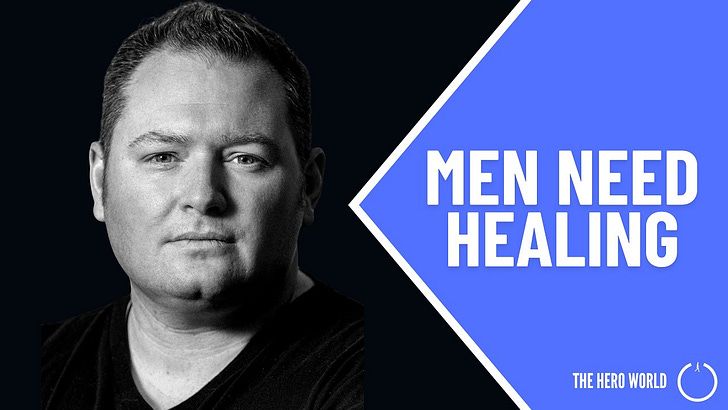
That single sentence, shared by John Acosta in our conversation, stopped me in my tracks. It’s the essence of an unconscious agreement many of us make with our family system — to take on pain that was never ours to begin with, just so we can belong.
This is where Family Constellations work comes in. It’s not just about observing what’s wrong in your life — it’s about recognizing the hidden loyalties that keep you tied to generational wounds, and then making the choice to realign. As John put it:
“Observing it itself doesn’t do the healing. It’s when you make a choice to realign it, that’s when the healing happens.”
The Invisible Loyalties We Inherit
Family Constellations reveals a truth most of us would never see on our own: the patterns in our lives often aren’t entirely ours. They’re inherited. They belong to someone else — a parent, a grandparent, even an ancestor we never met.
“Loyalty to the system sounds something like, ‘You’re not strong enough to carry this pain, so I’ll carry it for you.’”
It might be the grief of a child lost before you were born. The scars of abuse or abandonment. The silent echo of emotional unavailability. And although your logical mind might scream “This isn’t good for me”, the subconscious says, “This is how I stay part of my family.”
The Righteous Victim
John introduced me to a term that’s been sitting with me ever since: the righteous victim. It’s the person who justifies their own harmful behavior because of their wounds.
“When you see somebody that has been deeply wounded, if they don’t work on that trauma, that can fester and grow into becoming a perpetrator. Because they say, ‘I was wronged so I can wrong other people.’”
This isn’t about blame — it’s about awareness. Victim and perpetrator are two sides of the same coin. They’re systemically entangled.
“If you identify as a victim, you’ll find a perpetrator everywhere — even if you have to create the dynamic for a perpetrator to be present.”
Beyond the Individual: Collective Trauma
What hit me next was John’s take on cultural and national trauma. Just as families carry wounds, so do countries.
“I think countries have an unresolved trauma score. Afghanistan’s collective trauma score is going to be very different than Costa Rica’s. And if you combine that with their resiliency score, you start to see interesting nuances in how cultures respond to pain.”
Wars, oppression, displacement — they leave marks not just on individuals, but on the collective subconscious. And just like in families, those patterns can either be repeated or healed, depending on the choices people make.
The Choice to Realign
The common thread through all of this — whether it’s personal, generational, or cultural — is choice. Seeing the pattern is only step one.
“Observing it isn’t the healing. It’s when you make a choice to realign it, that’s when the healing happens.”
That’s the Hero’s Journey in real life. We go into the underworld of our wounds, confront the shadows we’ve inherited, and return with the strength to live differently. We stop carrying what was never ours.
And in doing so, we don’t just free ourselves — we free the generations that come after us.
Your story isn’t just your story. It’s a continuation of many before you. But you get to decide where it goes from here.
Because sometimes, the bravest thing you can do for your family… is put the weight down.
M