
Mature Masculine Archetypes

(Reading time 7 min)
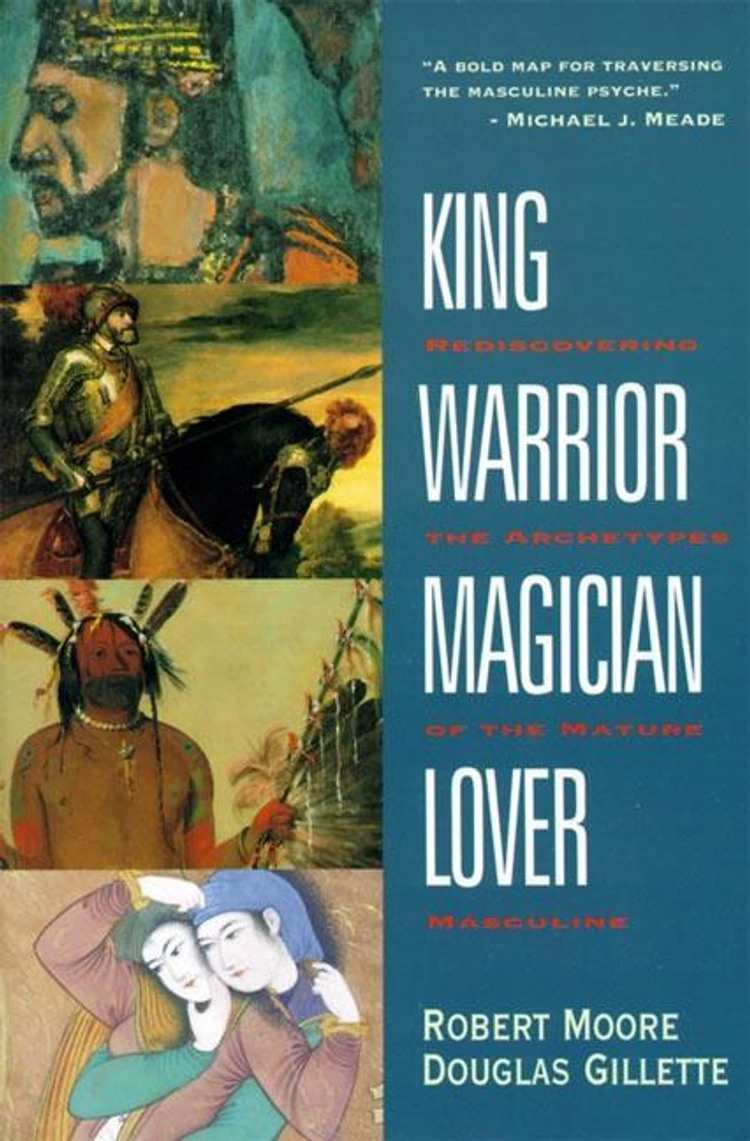
In a completely accidental and fortuitous way, partly due to a ended relationship that made me reflect on the role of the man in the couple, partly due to genuine curiosity, I came across this book that talks about archetypes, specifically mature masculine archetypes, and I wanted to give it a read.
First of all, what are these "Archetypes"?
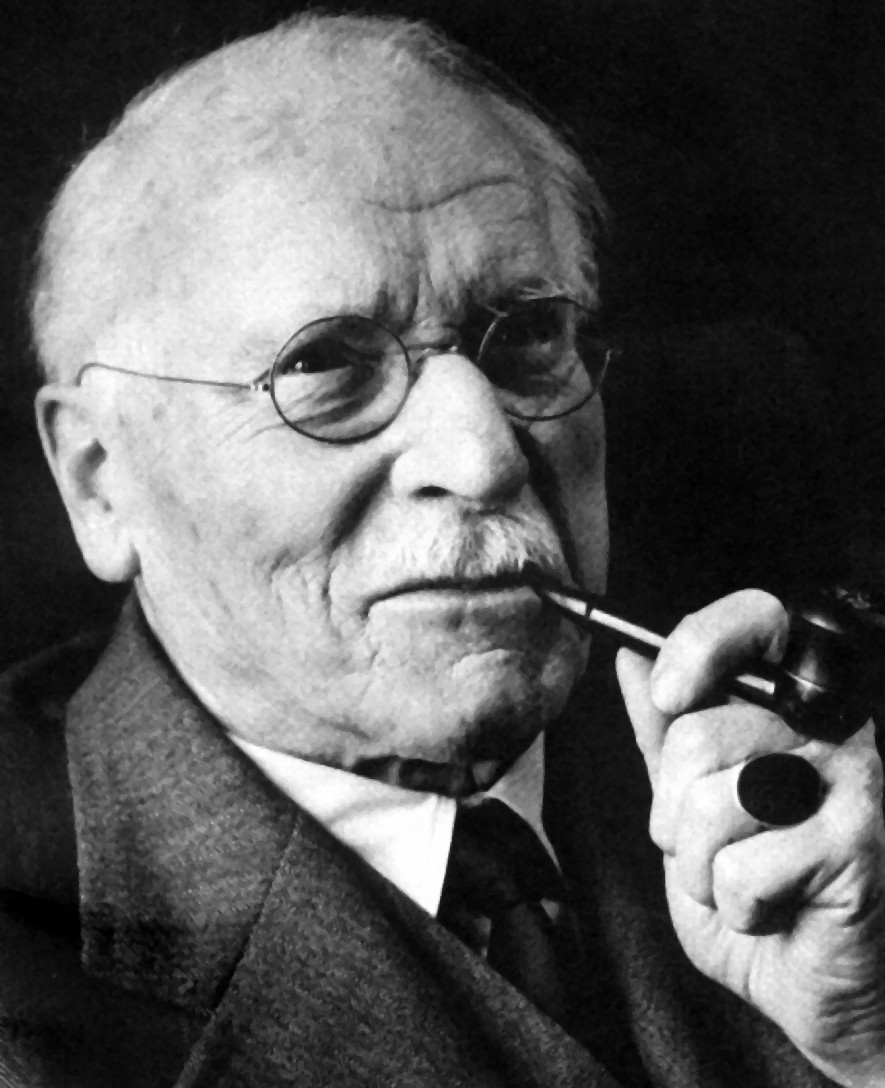
Archetypes are universal patterns of characters, symbols, situations and themes that recurrently emerge in mythology, stories, dreams and cultural traditions of all civilizations. The concept of Archetype was significantly developed by psychoanalyst Carl Gustav Jung, who described them as primal and innate forms present in the collective human unconscious.
Key points regarding these "Archetypes":
1) Jung theorized that there is a deep level of the human psyche, called the collective unconscious, that contains these archetypal structures. Unlike the personal unconscious, which is unique to each individual, the collective unconscious is shared by all humanity.
2) Archetypes are often represented through primordial images or symbols that manifest in dreams, myths, religions and arts.
3) Some of the most common character archetypes include the Sage (the mentor), the Hero, the Rebel, the Sovereign, the Child, the Creator, the Lover, and the Shadow (the dark side of the psyche).
4) Situations: Archetypal situations include the Hero's Journey, Death and Rebirth, the Struggle between Good and Evil, and the Quest.
5) Symbols: Archetypal symbols can include the Mandala (which represents unity and totality), the Tree of Life, Water (as a symbol of life and purification), and the Circle (symbol of eternity and perfection).
6) Guidance and Meaning: Archetypes help individuals find meaning and understanding in their life, guiding them through universal experiences common to all of humanity.
7) Storytelling and Connecting: They are fundamental in stories and myths because they provide recognizable and resonant patterns that help connect the audience to the narration and culture.
Archetypes, therefore, are fundamental elements of human psychology and culture, offering a universal language that crosses the boundaries of time and space. They allow individuals to recognize and understand common experiences and to draw on collective wisdom.
And now, let's get to us.
In our contemporary western society, there is a huge crisis in masculine identity. More than ever, we are living in an era of total confusion of roles.
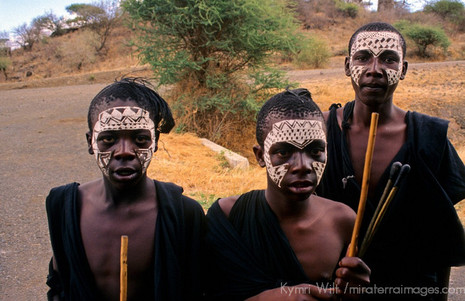
There are no longer "propitiatory rituals" that transform boys into men, a process that sanctions this transition from an immature and raw identity to a conscious and adult one (as it still happens in many African, South American, Australian, South Pacific island cultures).
And, at the same time, for a few millennia, we have lived "under" the hegemony of patriarchy, which is nothing more than a social and cultural organization in which male domination has been abusive and oppressive. Patriarchy, in fact, is an expression of the immature Masculine. Of a child's mentality. Dominated by fear. Fear of women, and fear also of men, of real men.
How many times, even personally, have I found myself a victim of jealousy, envy, passive-aggressive attitudes just after trying to express my skills/qualities?!
The more we elevate ourselves in our potential and the more we open the door to hostility from our colleagues, friends, employers.
We are attacked by their immaturity, which cannot accept our advancement towards the fullness of our masculine or feminine.
This is the expression of patriarchy.
The more I advanced in reading this book and the more everything resonated clear and in line with my feelings.
Why? Because even I, like many other children and then teenagers and then men in this society, grew up without a healthy and mature figure of a real, flesh-and-blood, present male.
And, of course, it is not by chance that this topic, this book, and this path appeared in my life, but rather, it is an opportunity to heal this part of me.
For the most part of my life, in fact, I have, with hindsight, always anxiously, sometimes obsessively, looked for this figure/figures that could give me a structure, rules, a blueprint of how to be a Man in the world. I took pieces here and there and put up a puppet show that somehow stood up, very wobbly but still standing, taking pieces from movie characters, books and biographies that I read about sports characters, actors, historical figures, friends that I took as an example, and somehow I created my own personal idea of how to be man in the world, the man that I wanted to be, with the principles that I wanted to follow.
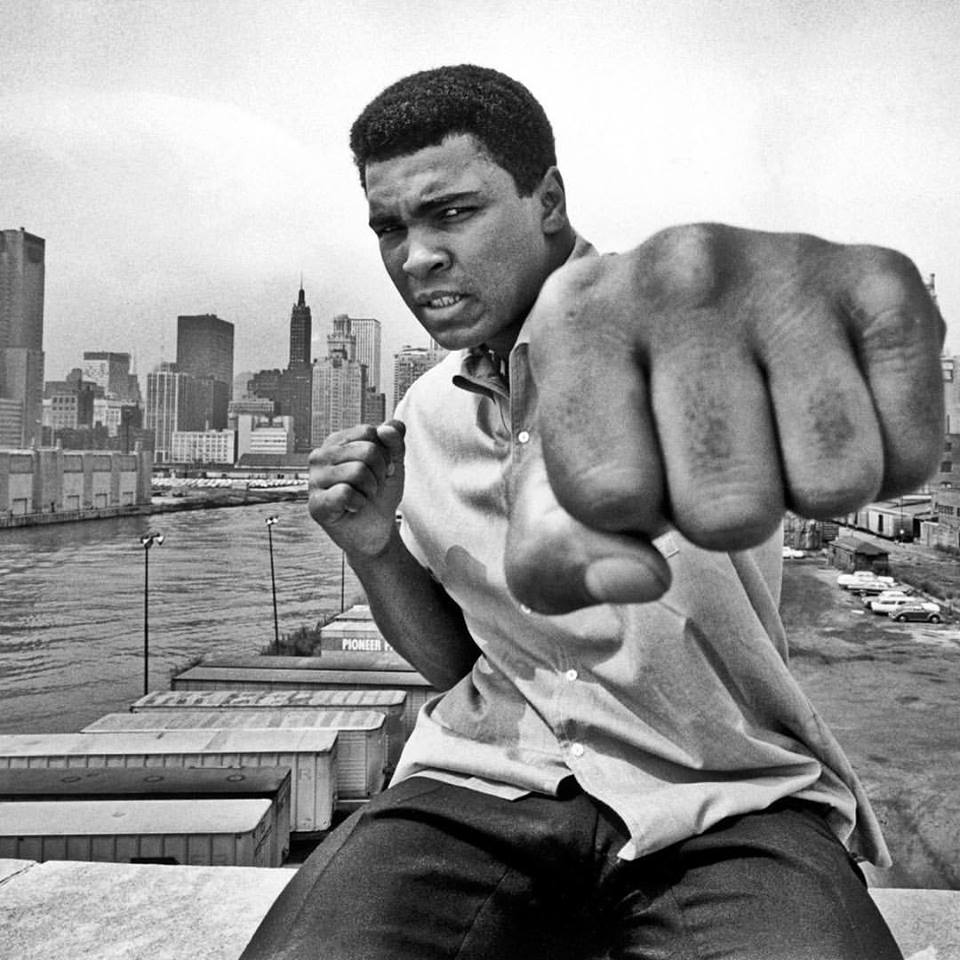
But after all, I realize that having a figure that represents all this in your life makes everything easier and simpler.
Whose fault is it? No one's. This was just the automatic evolution of our society and today we are living the result of that; no one is here to show us how to transform our boy energy into man energy.
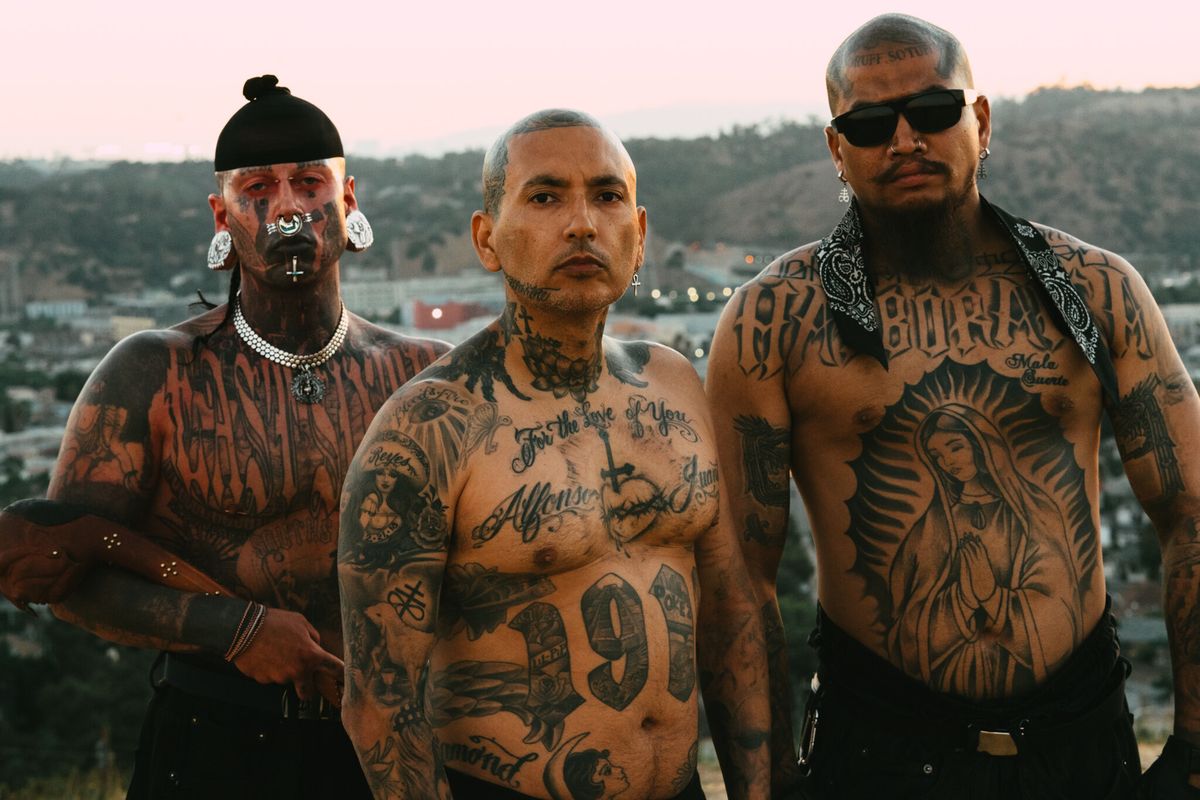
This can, at least in part, explain the interest, fascination, attraction that, for example, recruitment into some military body, or being part of a criminal gang can exercise, which have initiation rites that are aimed at transforming you into a man.
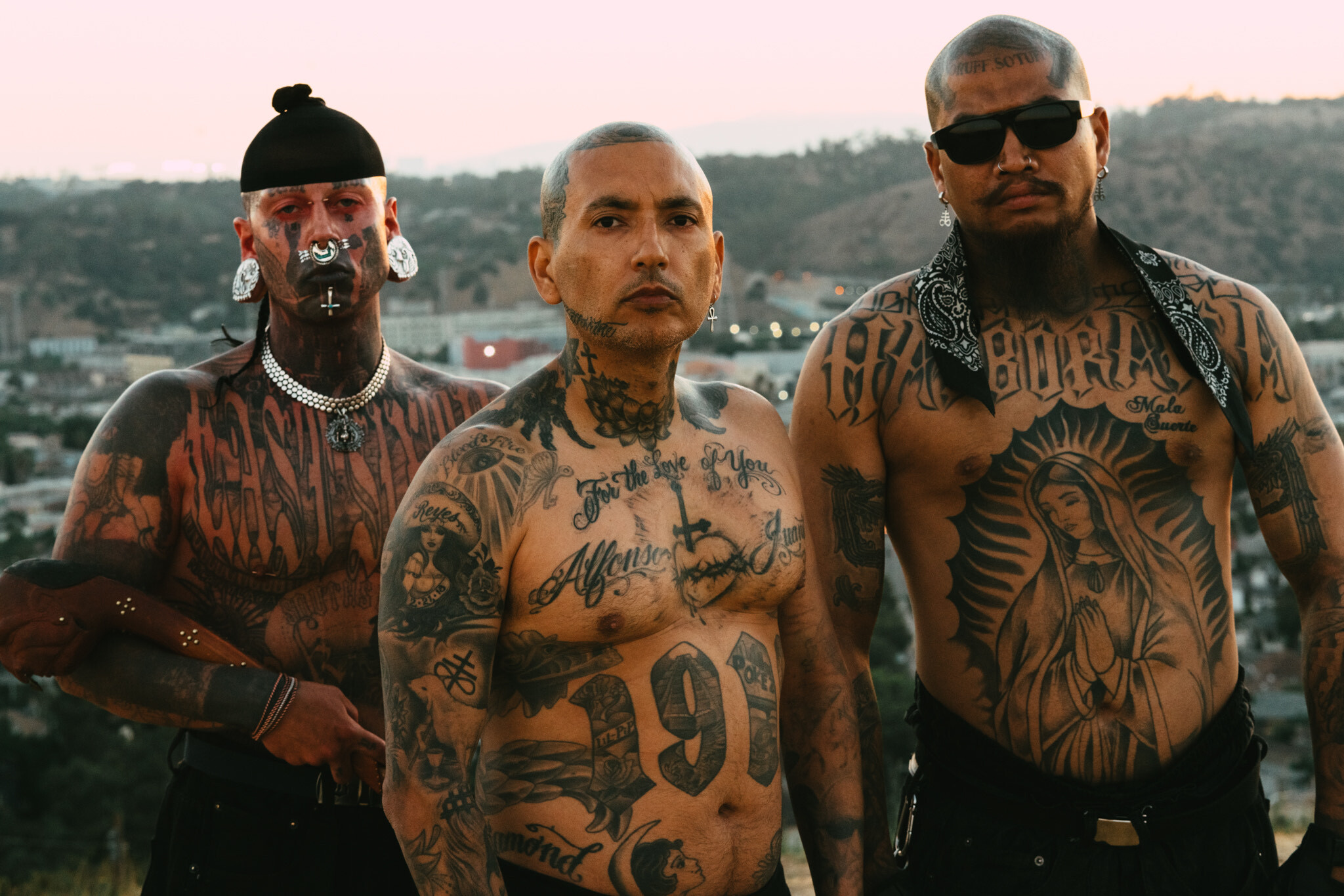
But, in the end, they are always linked to the energy of the patriarchy which indeed is abusive, often of themselves, and this is a prerogative of the child's psychology, destructive and wounding, not of the mature male, of regeneration and nourishment.
So, in short, we must make a distinction between the psychology of the child and that of the man.
CHILD PSYCHOLOGY
The Divine Child who is the archetype of the King at dawn, full of creativity and enthusiasm for life, but still unripe and vulnerable, and his shadow is the High Chair Tyrant, who believes he is at the center of the universe and that everything is due to him, and if this does not happen, he plants himself and throws tantrums. He is arrogant, childish.
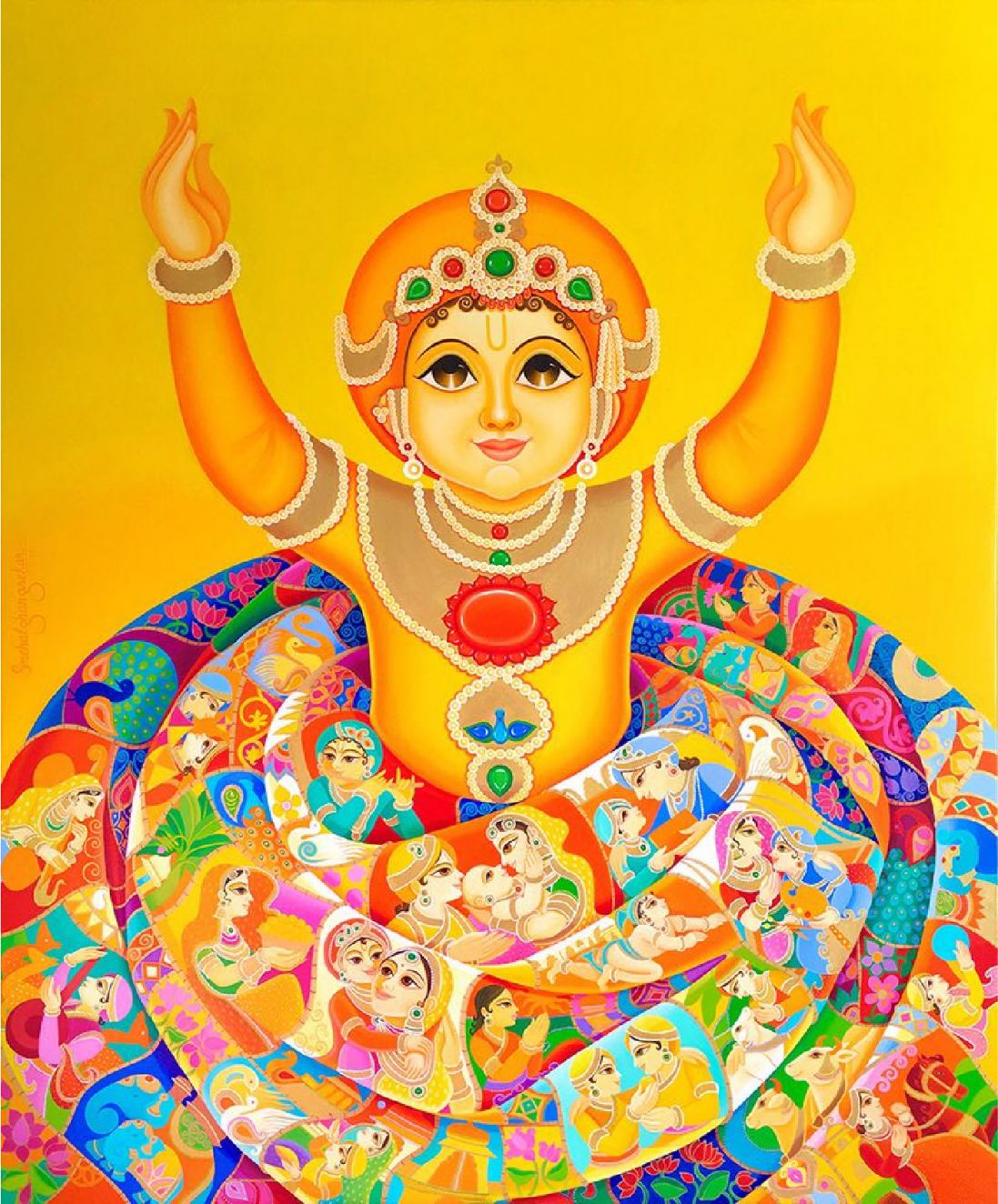
The Precocious Child is full of curiosity and wanting to know, desire for adventure. He wants to help others and is the Magician at dawn. His shadow is the Know-it-all Trickster, that is, the one who knows more than others, who conspires and deviates with manipulation.
The Hero:
The highest part of the child's psychology is the hero, who, although immature, has many characteristics of the man. He wants and feels the need to break the bond with the mother, to enter the "forest" of adult life.
His shadow is the bully, an insecure person who always has to impress others with his grandiose solitary deeds, who does not know his own limits and is in constant conflict with the feminine to assert his masculinity.
The "death" of the hero is necessary to enter the psychology of the man.
MAN PSYCHOLOGY
King
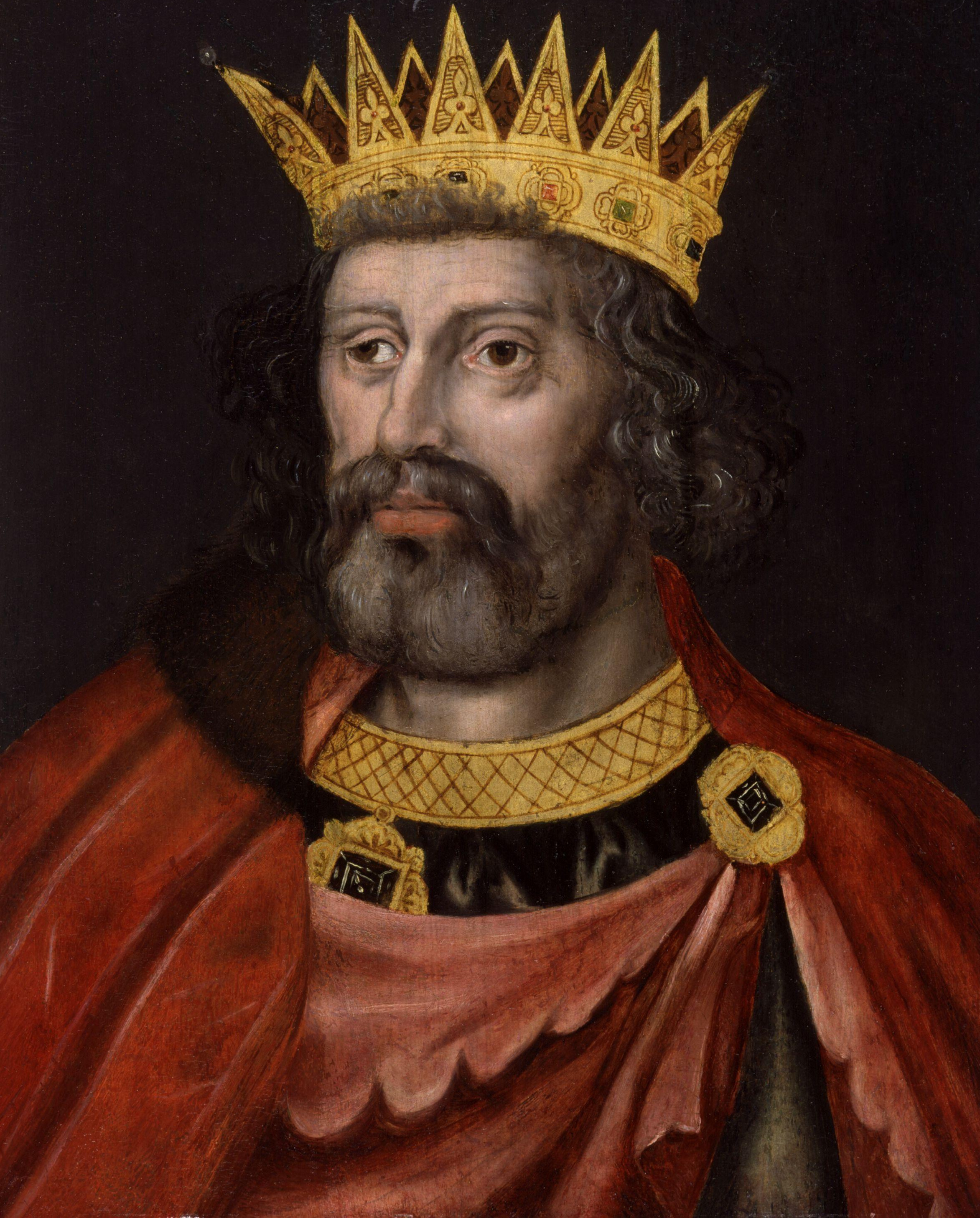
The King represents divine order. He sets rules. He embodies fertility, vital force.
He is the connection between the divine world and this world.
He is the energy that keeps calm when chaos breaks out, the reassuring and encouraging voice, imparts stability and centering.
An energy of peace and growth for the world.
The shadow part is instead afraid of the "new", because it represents a threat to his power., is a weak and fragile narcissistic tyrant.
Warrior
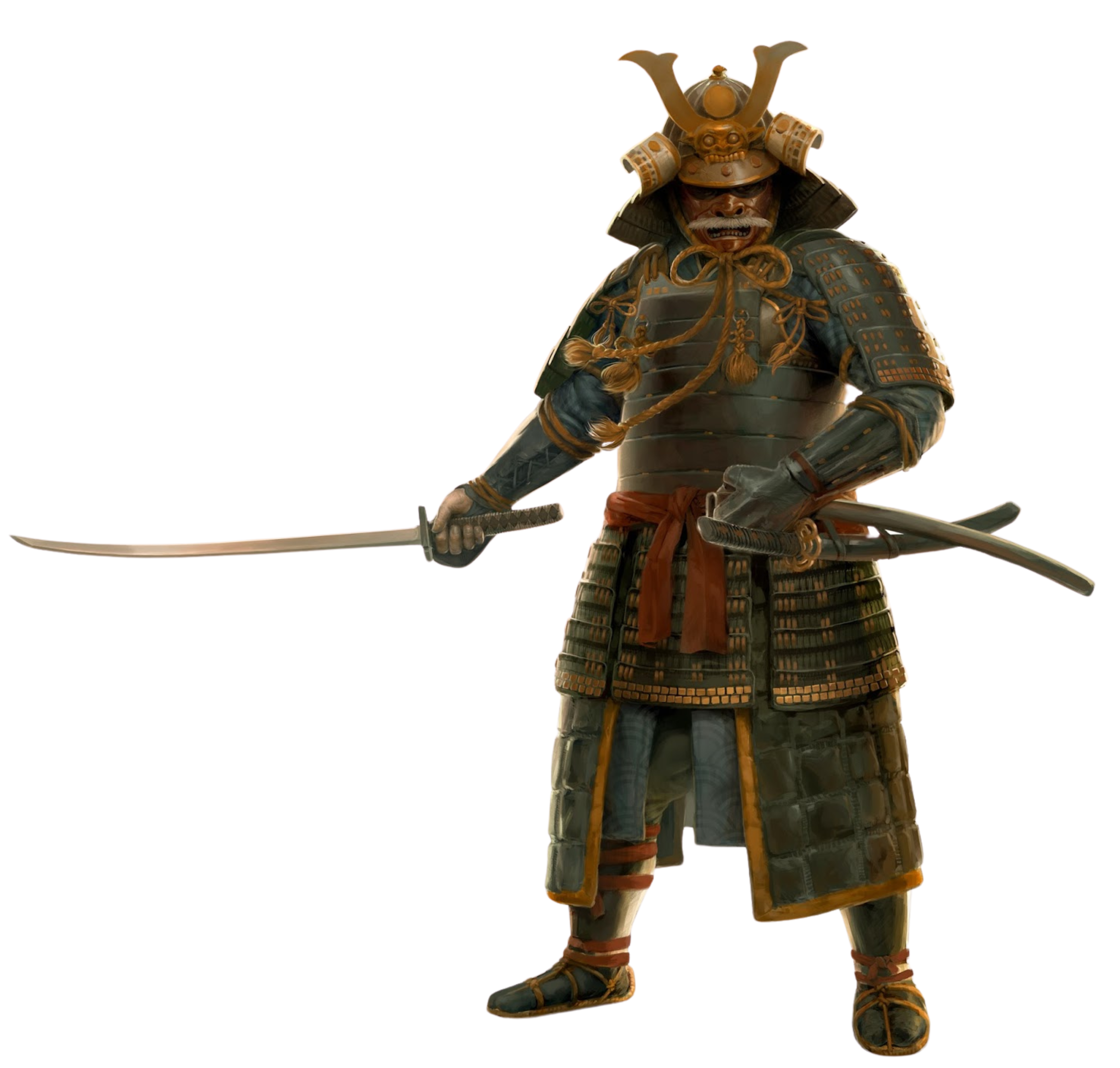
The energy of the Warrior is characterized by aggression towards life, being offensive, taking things face to face.
The Warrior is always ready, alert, focused. He is aware (unlike the Hero) of his limitations, because he is a critical thinker. He knows how to make important decisions and does not back down.
His shadow part is the sadist, who takes pleasure in inflicting pain on the weak and vulnerable, has no control over himself and often lets himself be overwhelmed by someone else's ideology.
Magician
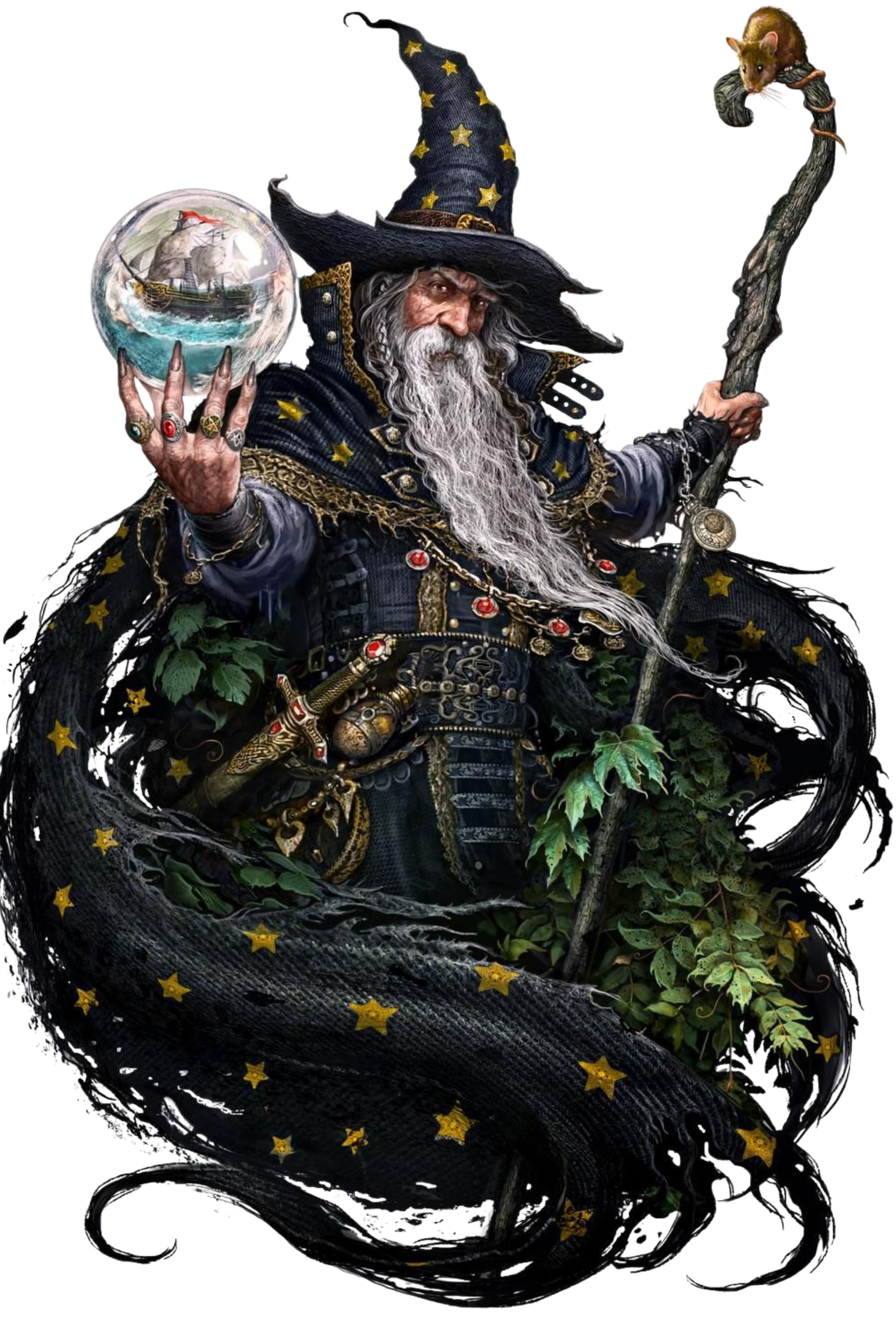
The one who possesses knowledge, who understands the dynamics governing the spiritual world with the world of humans and nature. He knows himself, and regulates the flows of various inner archetypes for our personal benefit. It is the ability to discern and connect with profound truths.
The shadow part omits this wisdom, or uses it only for its own benefit, it does not put it at the service of humanity. He is an information manipulator with a superiority complex.
Lover
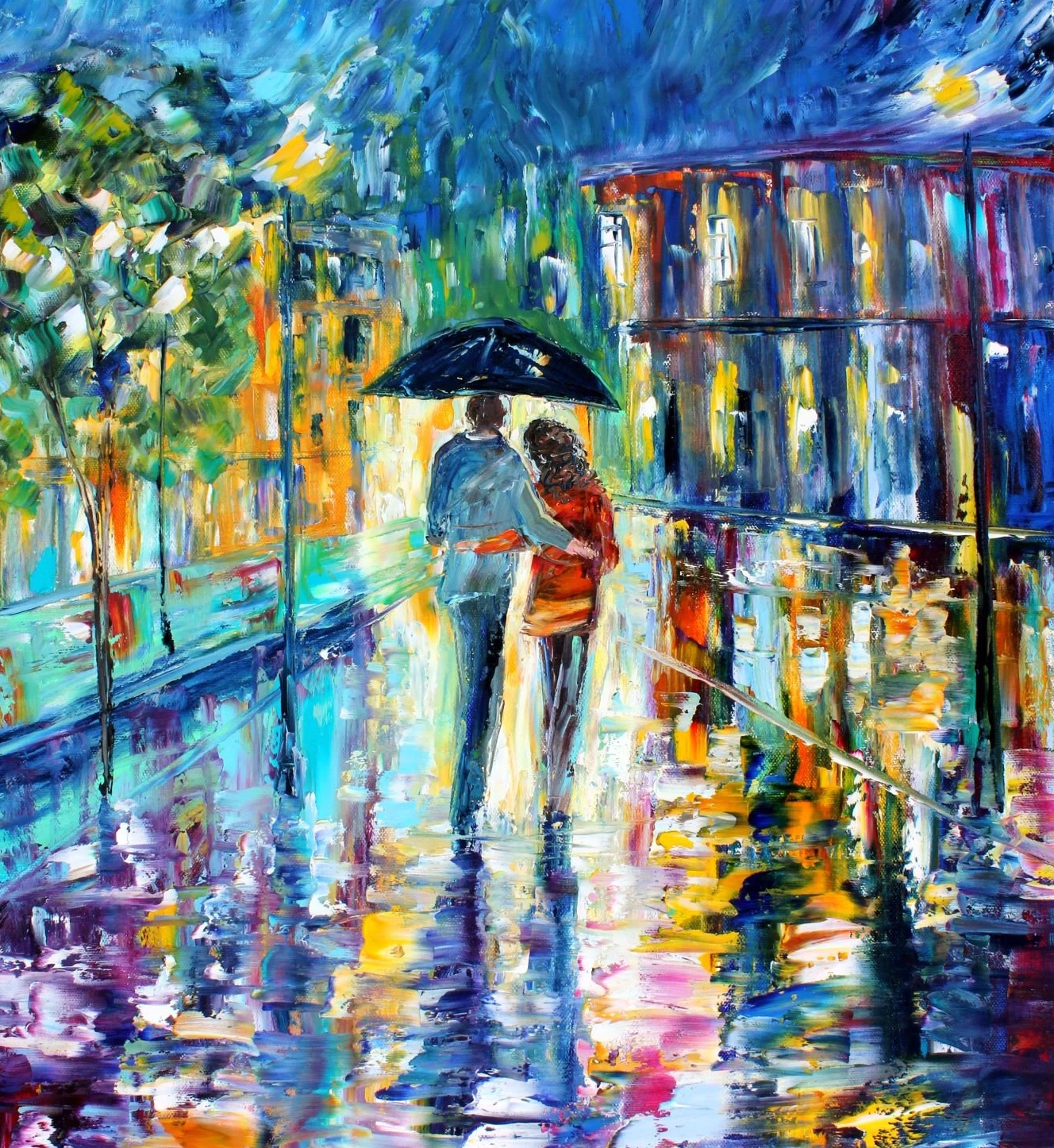
For this archetype, all things are connected. And he wants to try them all, experiment, touch, immerse himself in them. He experiences joy and delight in living life, he is sensitive to his own emotions and those of others, for this reason, often, he feels life intensely, for better or worse. Intense creativity.
The shadow part can be affected by addictions, or completely addicted to the senses. A womanizer who never grows up and always remains a child, a cocaine addict, an alcoholic.
-
In conclusion, this article provides many points for reflection, and obviously, all these energies live within us, in different proportions and at different stages of our lives. They are all there, and depending on the occasion, the partner, the job we find ourselves doing, they are invoked and put into action, consciously or unconsciously. It is up to us to be good at identifying them and managing them in the best way to achieve the goals we have set for ourselves.
A hug
M