Your Panic Attack is your SHADOW
(Reading time 8min)
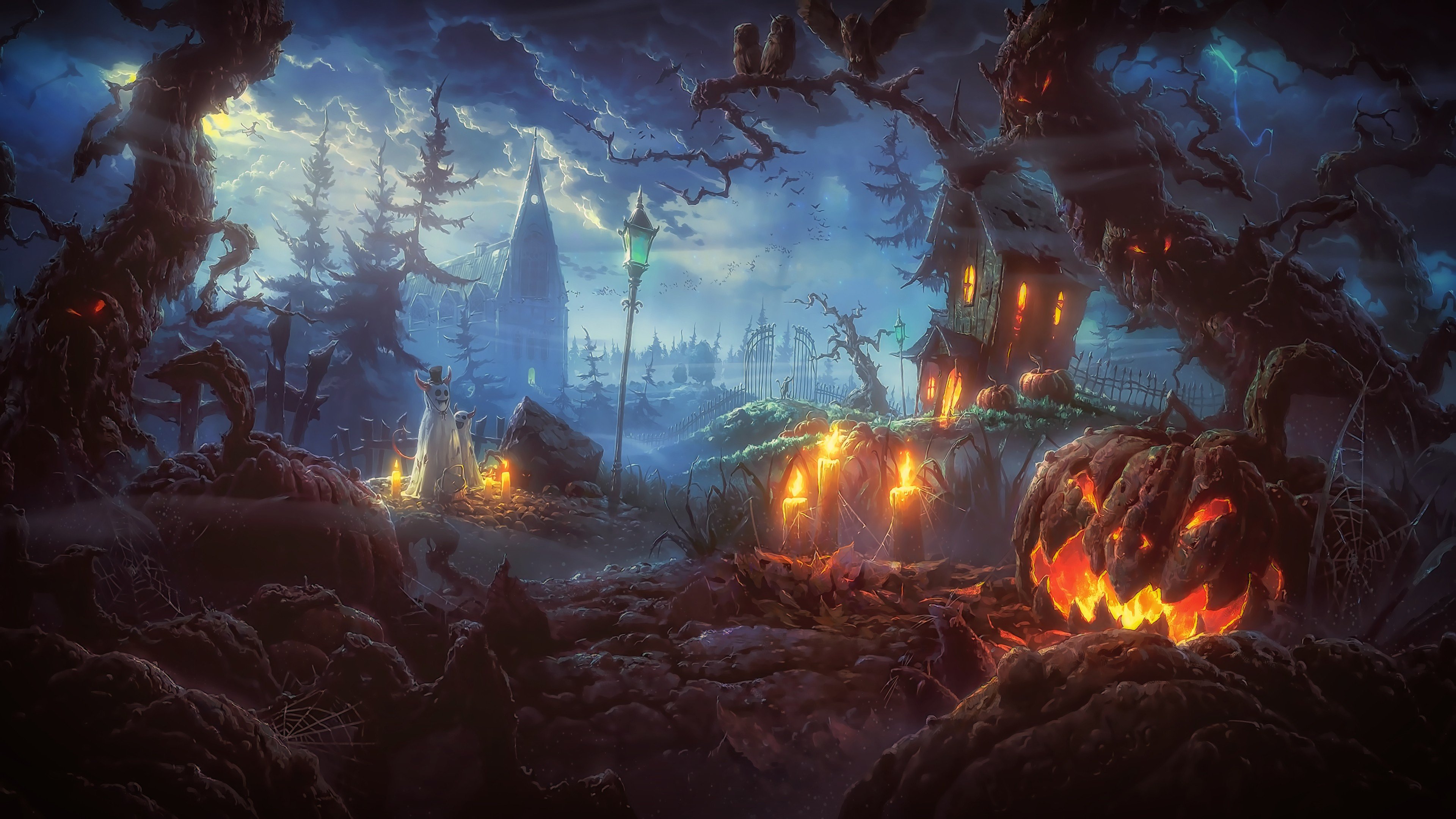
Halloween Night - 2021
Somerville, Massachusetts.
It's about ten thirty in the evening and I'm going to bed. A scroll on social media, a few videos on Youtube, and I'm in the arms of Orpheus.
-
I am running through a lush green meadow, surrounded by flowering trees, with the fresh morning air filling my lungs and the sun shining high in the sky. I smile as I lay down on the soft, dewy grass, closing my eyes and basking in the warm embrace of the sun's VITAMIN D rays.
As I gaze up at the sky, a procession of clouds begins to emerge from behind the hills at the end of the valley, slowly drifting overhead like a caravan. The once bright sky begins to darken as the clouds gather, their shades shifting from white to dark white, then light grey to dark grey. Eventually, the largest cloud opens up a chasm in the sky, positioning itself like an infinite black platform, casting a shadow that engulfs the entire horizon. The temperature plummets, and the once pleasant and enchanting landscape takes on a foreboding darkness.
This transformation isn't just happening around me; I feel it seeping into my very being. A heaviness settles in my gut, as if I've swallowed a brick, and a chill runs down my spine.
-
I wake up.
And the feeling of heaviness hasn't subsided; if anything, it's gotten worse.
Throughout the morning, my stomach tightens, making it impossible to eat. Then, I begin to feel a sharp pain in my chest, growing more intense with each passing moment, and worry sets in.
I make the decision to go to a Urgent Care accompanied by my mother, but upon arrival, we're informed that they don't handle potential cardiac issues and are directed to the closest ER at CHA Cambridge Hospital.
As I’m anxiously waiting my turn, I glance at my Apple Watch, the digits steadily climb. 70... 75... 80... 85... 90... 100. It's a strange sight, one I'm accustomed to seeing only during cardio workouts. Yet here I am, seated in a hospital. 110... 115... My heart is racing, and I can't comprehend why. 120... 130... I try to slow my breathing down, with some pranayama techniques, but it's futile. Despite the calmness surrounding me, inside, there's a raging storm. 135... 140... 150... 160... 170...
-
Miami - April 2024
I just finished my workout at the gym, enjoyed a light lunch of Quinoa and Sardines, and decided to take a leisurely walk outside in the park across from my house. As I crossed the Boulevard and entered the park, I noticed a couple of guys running beside me, and in a spontaneous twist of my torso, I felt a sudden stiffness in my chest. "Strange," I thought, sensing the tension in my muscles.
I tried to alleviate the discomfort by opening and closing my arms, a common practice for those who engage in weight training. However, this time, it didn't seem to work. The left side of my chest felt unusually tight compared to the right. I attempted to massage the muscle, but the sensation of rigidity persisted, spreading throughout my chest, accompanied by increasingly forceful heartbeats. With each beat, the pain intensified, and I found it difficult to catch my breath. In that moment, a wave of fear washed over me: Will I die?
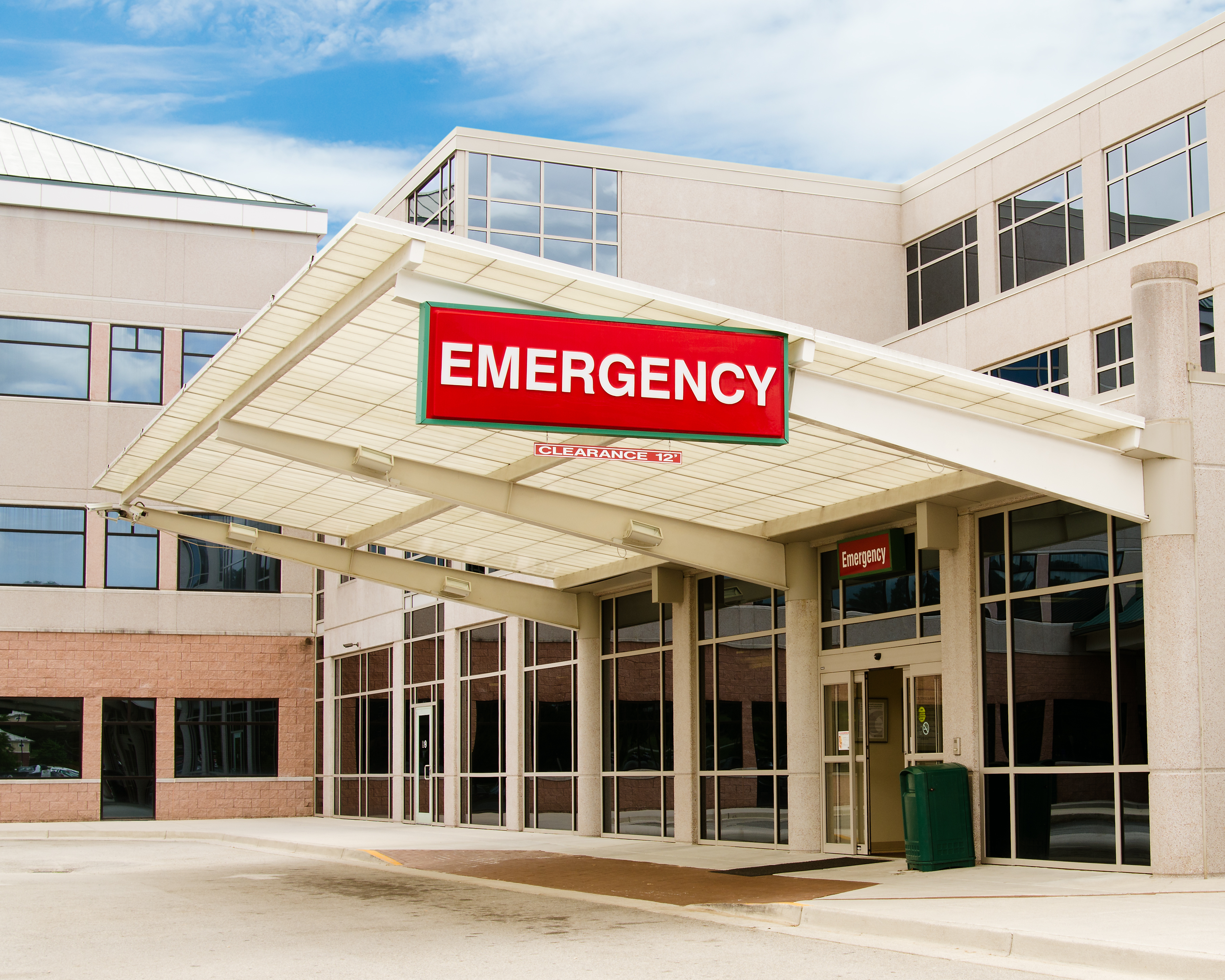
In short, these were panic attacks. I had others, in between, less intense, but these two were the ones that took me to the ER. In both cases, everything came out negative.
So, the only probability that remains, taking away the possible physiological problems that were discarded by the doctors, is on the emotional plane.
In these three years since it first happened, I have studied the subject a lot, listening to podcasts, reading articles, talking to people and therapists, and I have made my own idea of why these occur.
Let me take a step back, give some context.
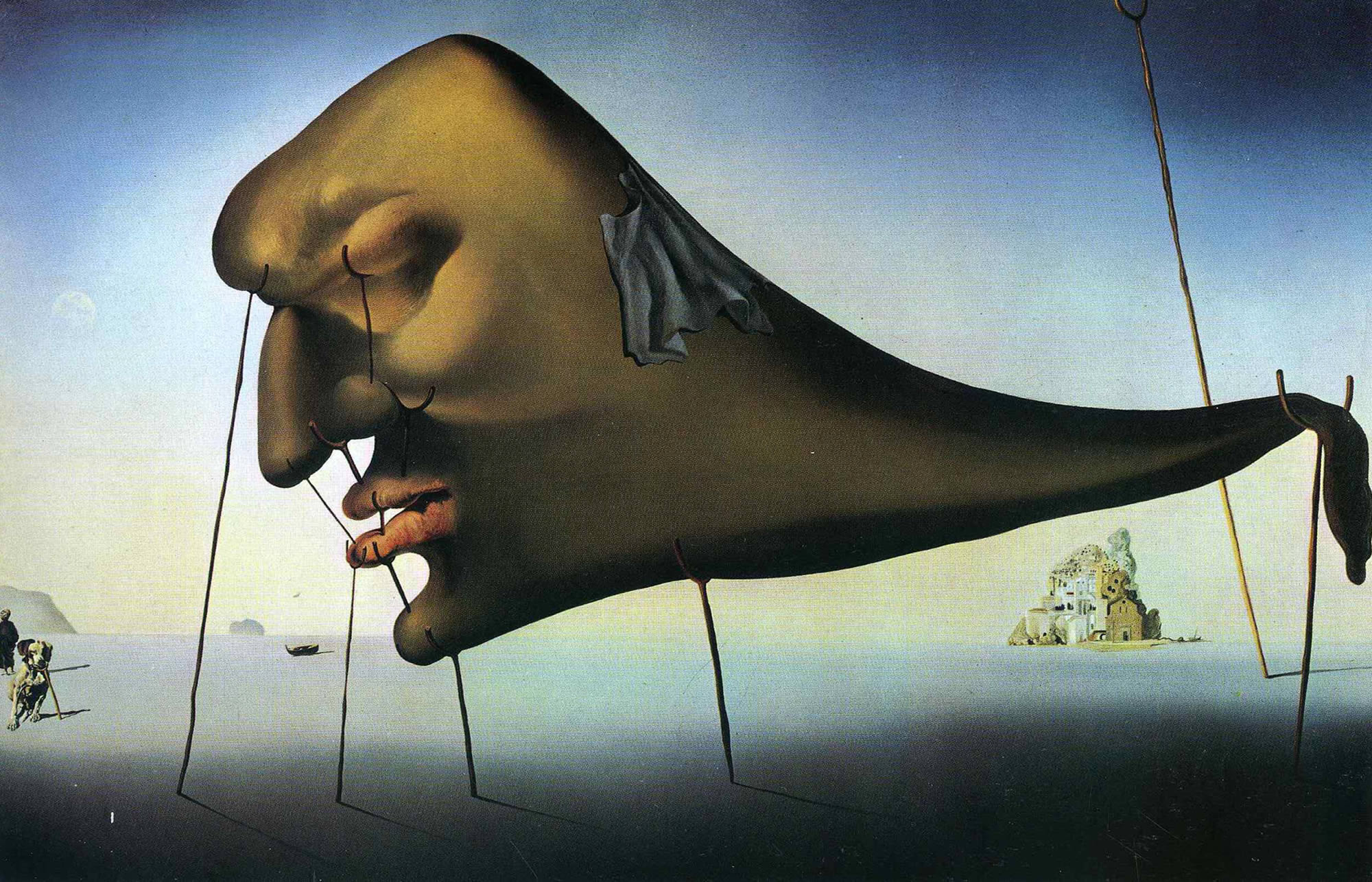
We live in a world based on the outside, on appearances. Beyond looks, body, muscle tone, the beauty of our smiles or hair, we place total importance on our status, our goals, the roles we play in this society: being a good worker, husband, boyfriend, father, friend, citizen. Each of these "masks" we wear carry a trail of rules and beliefs that must be followed, to be part of the matrix. If there are imperfections, weaknesses, hitches, they must be smoothed out, eliminated, swept under the rug.
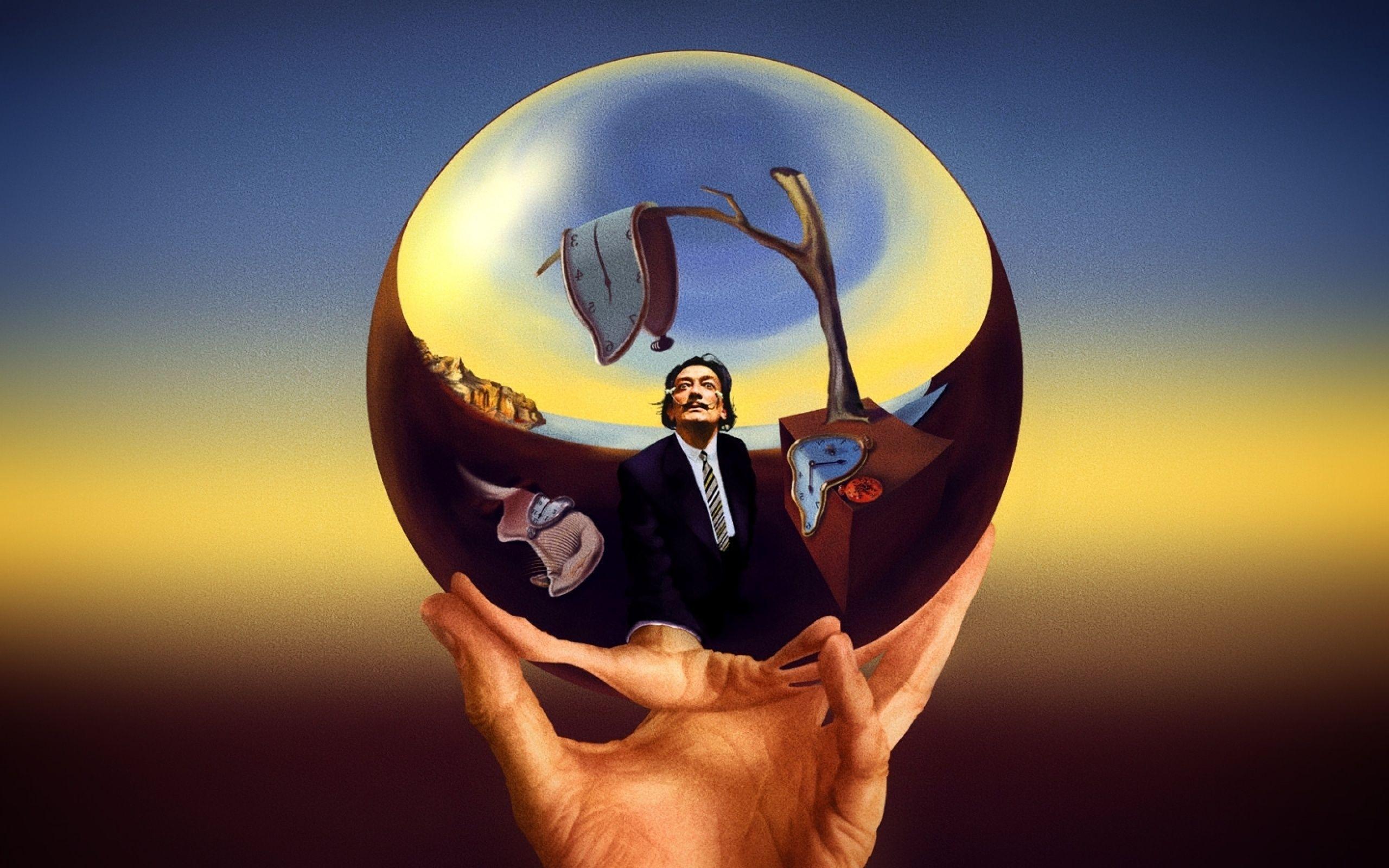
Those who suffer from panic attacks identify so much with these "social" masks, so much so that it has taken the place of their real identity, the identity that would instead want to express itself in its own spontaneity, its true nature. The more this nature is covered, hidden, the more we move to the outside, the more we become fragile. And when something is fragile, sooner or later it starts to falter. To shake us.
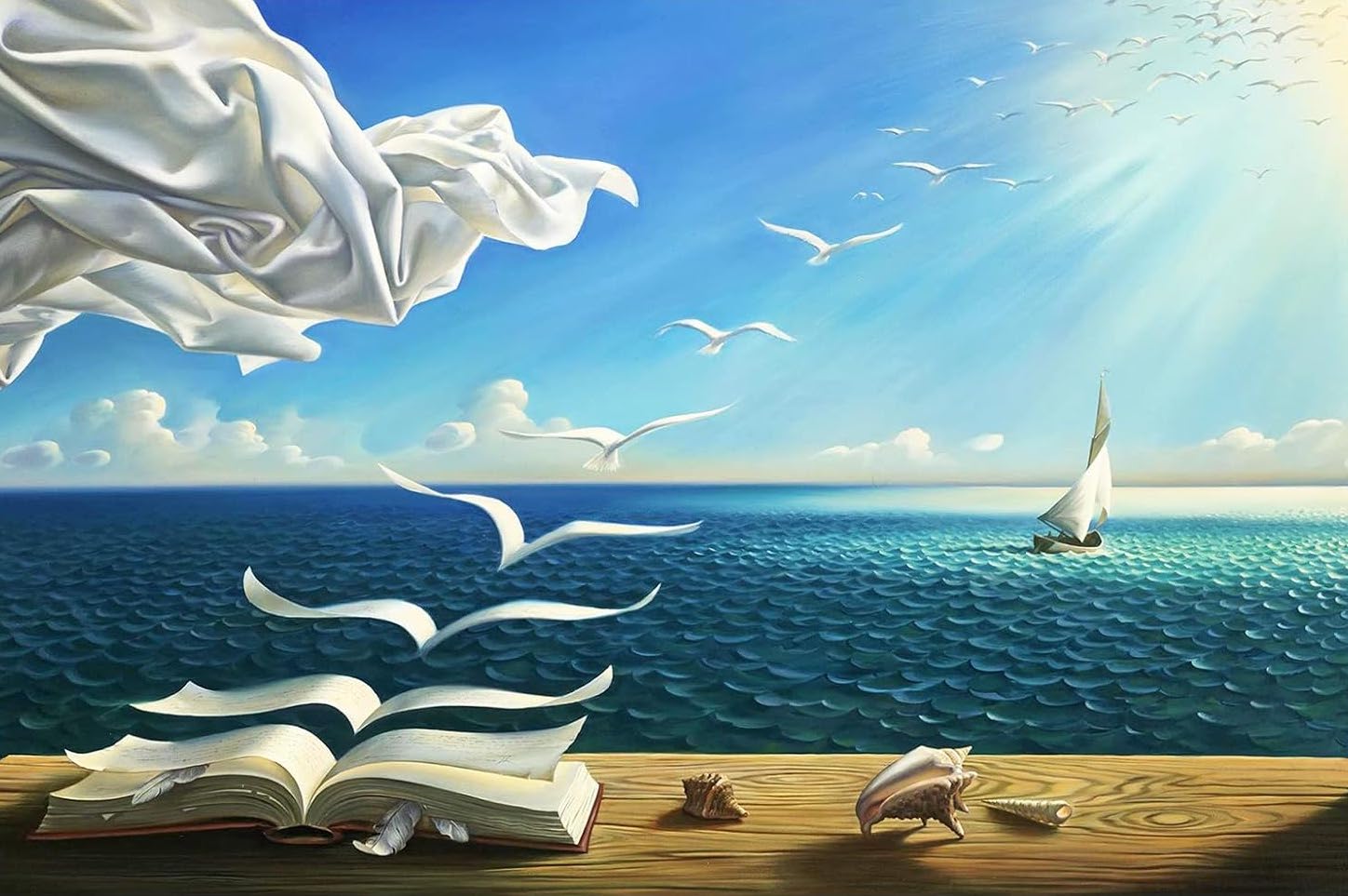
It's inevitable, if you think about it. The more you deny your true nature, the more it wants to make itself heard, at first in a low voice, and then, louder and louder. And then, it’s panic time.
We all have multiple parts to ourselves, and if we don’t embrace the entirety of our being, we wouldn’t be able to live a whole and authentic life.
When I did my first Ayahuasca ceremony, in Australia, at night, in the middle of a forest in the heart of Aboriginal lands, watching this enormous bonfire I received a lesson, in the most painful and dramatic way: surrender.
Let go of control.
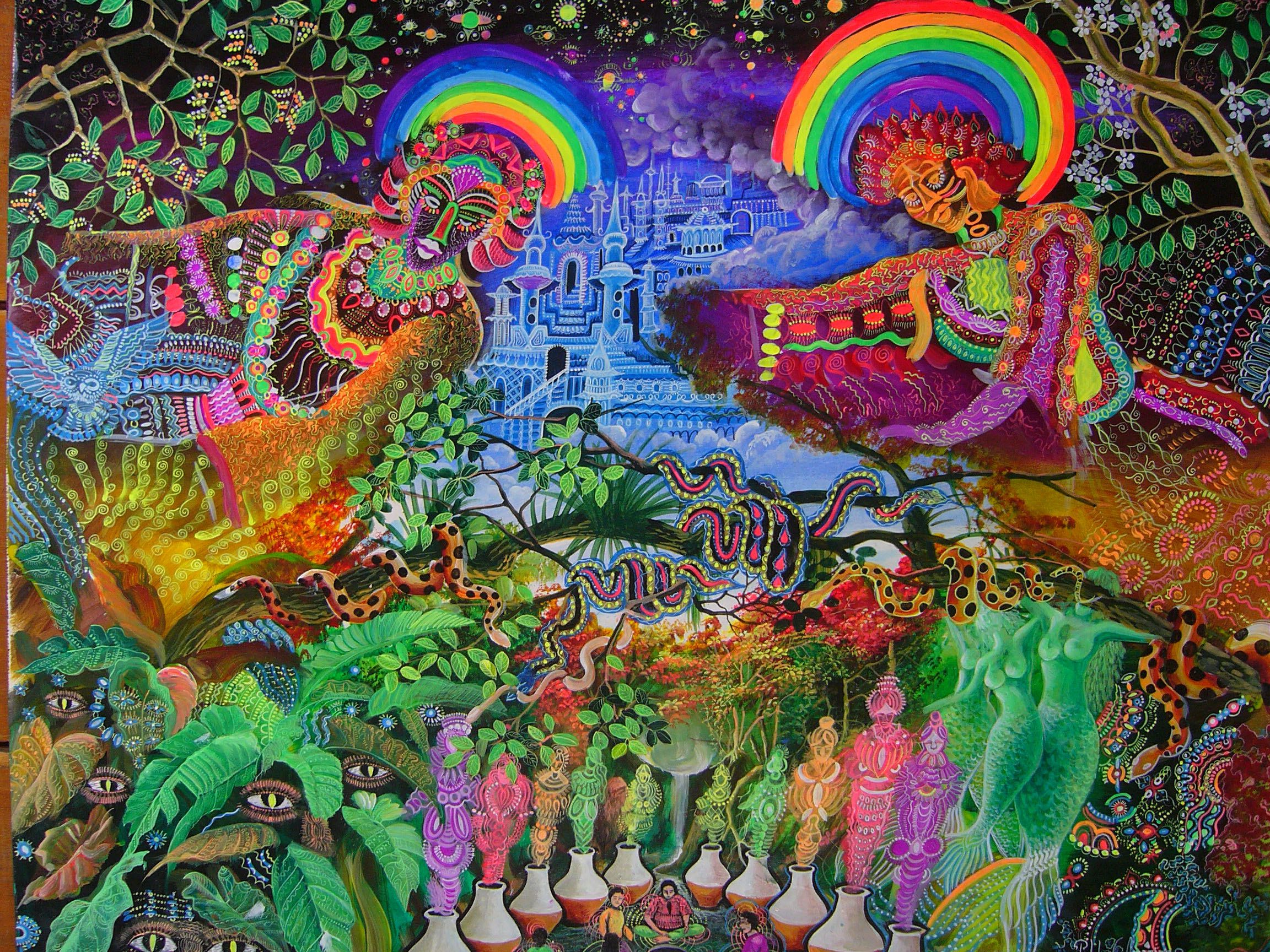
Indeed, those who suffer from panic attacks, but in general, I think the majority of us, have this conception that whoever has control, over their emotions, their life, their destiny, is a strong person. And when this control is lost, we think we are weak, and we strive even more to maintain it.
When a panic attack occurs, we think just this: I am losing control. And it's a terrifying thing. But it is actually life itself that is presenting in front of our (impotent) eyes. That bursts in with all its impetuosity.
WHAT CAN WE REALLY CONTROL?
Joseph Campbell, a famous mythologist and author of several books, was the first to "identify" the Hero's Journey, an archetypal narrative that is found in many legends, myths, and stories in every culture of the world. The Hero (which can also be us, in the course of our existence) during his "journey", finds himself dealing with obstacles, resistances, enemies, reckoning with his own demons and shadows of the past, and only when he is ready to "die" (letting go of all those beliefs and convictions that kept him anchored to his self of "before", his Karma) he can truly embrace his new self, realizing his full potential (Dharma).
Well, the Panic Attack tells us just this: let go of what is superfluous, what you don't need, life is telling us “I AM ASKING you to embrace your true self”, and this rupture is necessary so that the energy of change can flow free.
This death, metaphorical, is an abandonment, a complete letting go, a non-resistance (very difficult for those who have this mania of control..).
So, how do you get there?
During the acute phase, or during the attack itself, it is essential to focus on your body, to be present, not to oppose but to welcome. Feel your body and do a total scan starting from your feet, legs, buttocks, stomach, back and so on. Breathe slowly and accept any image that comes to the surface without judgment. Embrace it.
More broadly, do a scan of your life. What masks are you carrying that do not belong to you? What standards, rules are you following that are not in line with your true self? Get back in touch with yourself, your hidden side, your mysterious, dark side. Let it in, little by little, back into your life.
Be silent and trust your inner part, the compass you hold within. Your instinct, if you will. Listen to it. It will speak to you and deliver the key for your healing.
A hug
M